AI-Enabled Executive Impersonation Targets U.S. ACH Payment Teams
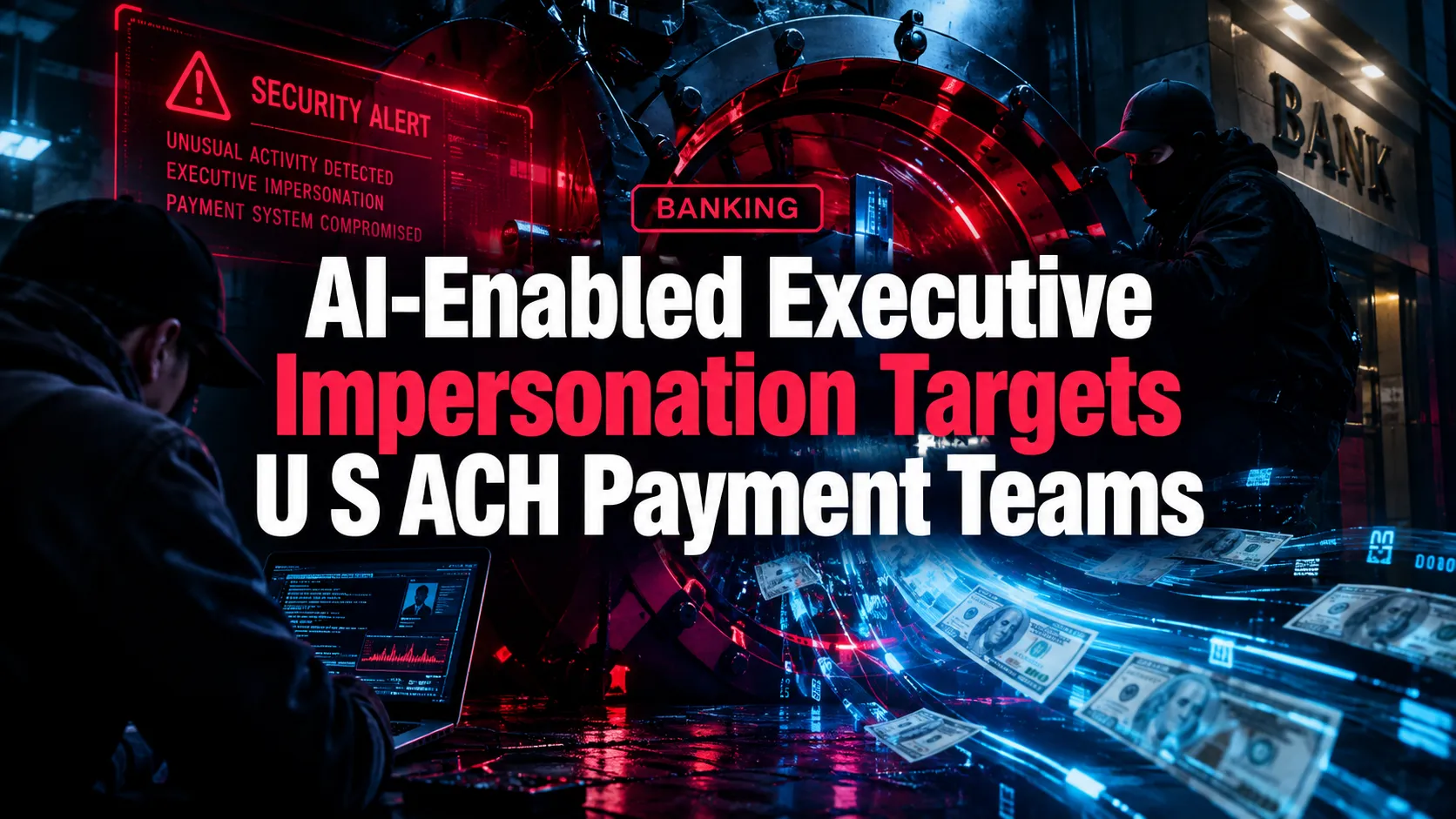
A Microsoft investigation linked AI-assisted messages to attempted business payment fraud. The campaign reportedly used executive impersonation to convince employees to authorize transfers approaching $50,000.
A Microsoft Security report detailed how attackers are combining executive impersonation with artificial-intelligence tools to target corporate payment processes. The campaign reportedly generated more than one million financial-fraud emails and attempted to persuade accounts-payable staff that payment instructions came from company leaders. The requested transactions included ACH payments of nearly $50,000, creating a direct risk of substantial losses for businesses that rely on email approvals. The fraud pattern is consistent with business email compromise, but AI can make messages more polished, personalized, and easier to produce in bulk. Businesses should require independent confirmation for unusual payment requests, especially those involving secrecy, urgency, new beneficiaries, or changed bank details. Finance teams should also use dual approval, transaction limits, phishing-resistant authentication, and continuous monitoring for suspicious mailbox activity.
What this article means for a user right now
A Microsoft investigation linked AI-assisted messages to attempted business payment fraud. The campaign reportedly used executive impersonation to convince employees to authorize transfers approaching $50,000.
- Text Scam Checker: For suspicious SMS, fake delivery texts, smishing, and verification-code pressure.
- Phishing Link Checker: For suspicious links, login pages, fake delivery texts, and scam emails.
Related Scam Types
Best next step
Official resources
Industry anti-phishing organization with reporting and education resources.
FTC Consumer AdviceUS consumer guidance for scams, fraud patterns, and reporting options.
FBI Internet Crime Complaint CenterOfficial reporting channel for internet-enabled crime in the United States.