Arkansas Pathology Lab & Owners Pay $30M to Settle Kickbacks and Unnecessary Testing Allegations
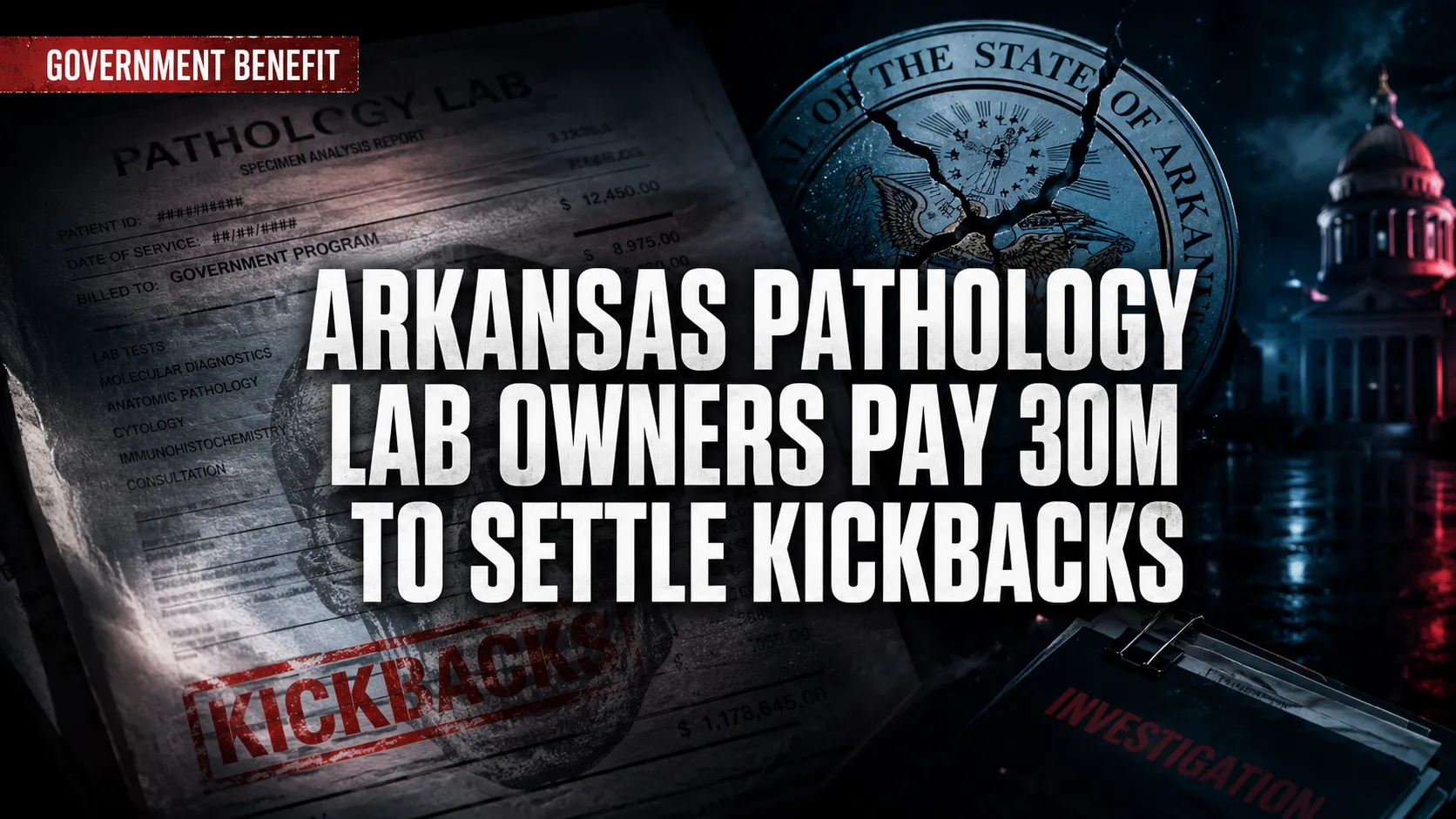
DOJ announced a $30 million settlement with an Arkansas pathology laboratory and its owners resolving allegations of unlawful kickbacks and medically unnecessary testing. The government said the case targets improper referral arrangements that burden federal health care programs.
The Justice Department announced that an Arkansas pathology laboratory and related owners agreed to pay $30 million to resolve allegations involving kickbacks and medically unnecessary medical testing. DOJ framed the settlement as enforcement against improper referral arrangements tied to orders for tests that, according to the allegations, were not medically warranted. In DOJ’s account, the alleged conduct involved furnishing unlawful kickbacks and using those arrangements to drive testing volumes. The government further alleged that the testing was medically unnecessary, which—when paired with submission or reimbursement processes—can result in claims being paid for services that should not have been covered under federal health-care program rules. These cases are important for fraud awareness because they illustrate two common patterns in health-care scams. First, kickback schemes can be used to manufacture referrals by paying for patient access or ordering influence. Second, unnecessary testing can inflate costs and expose patients to procedures that may not be justified by clinical standards. While the settlement is civil, it functions as a deterrent message: federal health-care systems can pursue agreements and payments that violate anti-kickback principles and medical-necessity requirements. The DOJ announcement also signals to providers and vendors that contracts, referral relationships, and ordering practices will be scrutinized for fraud risk.
What this article means for a user right now
DOJ announced a $30 million settlement with an Arkansas pathology laboratory and its owners resolving allegations of unlawful kickbacks and medically unnecessary testing. The government said the case targets improper referral arrangements that burden federal health care programs.
- Phone Scam Checker: For suspicious calls, voicemails, callback pressure, and unknown caller decisions.
- Scam Phone Number Lookup: For checking the context around unknown phone numbers and suspicious callbacks.
Related Scam Types
Best next step
For suspicious calls, voicemails, callback pressure, and unknown caller decisions.
Scam Phone Number LookupFor checking the context around unknown phone numbers and suspicious callbacks.
Spam Call BlockerFor suspicious callers, callback decisions, robocalls, and voice scam pressure.