
Arsen Lusher sentenced in SDNY to 42 months for $9 million wire-fraud scheme
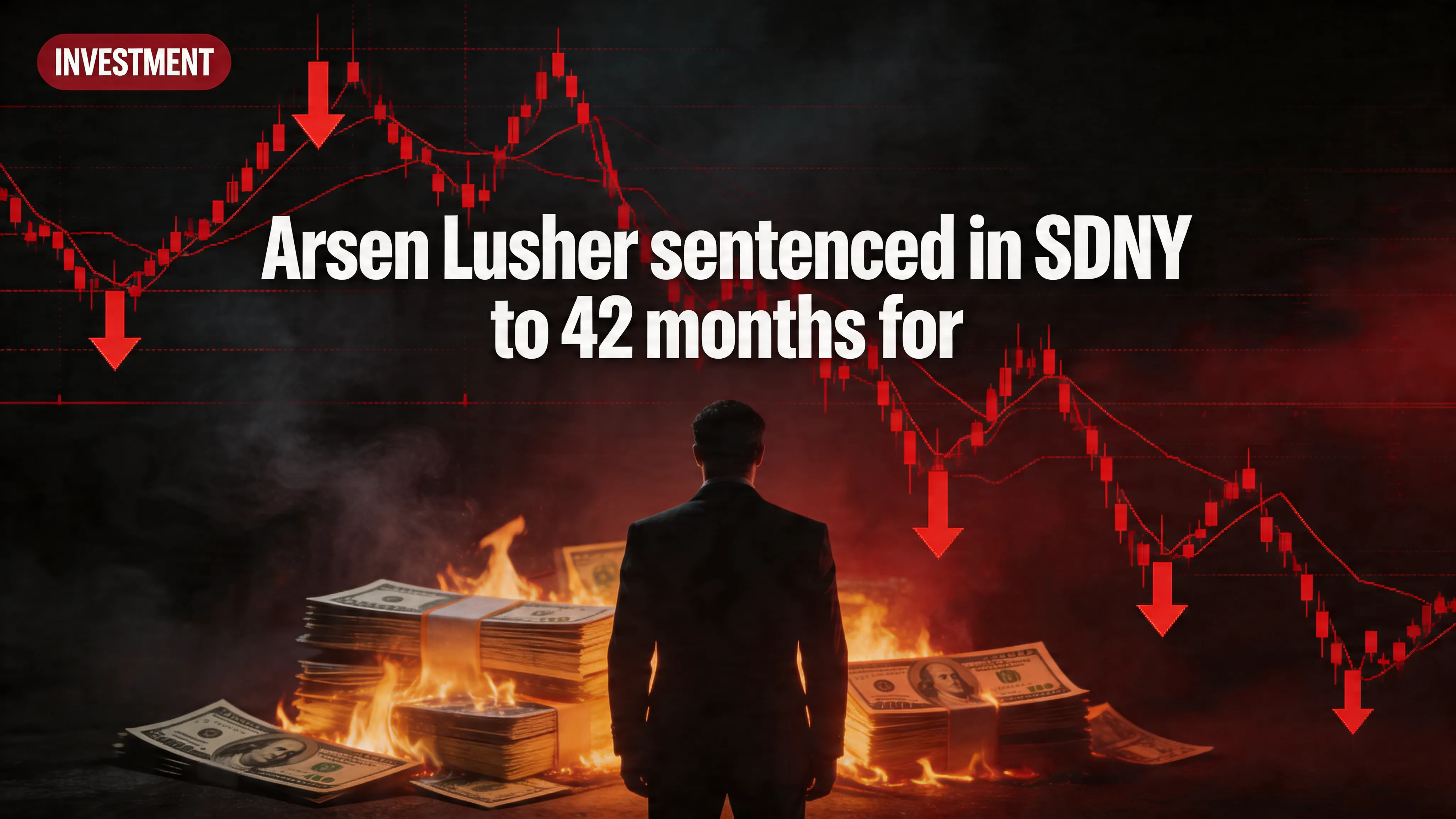
A New Jersey man was sentenced to 42 months for a wire-fraud scheme that defrauded more than 20 investors out of nearly $9 million. Prosecutors said false documents were used to lull victims into continuing to invest.
The U.S. Department of Justice, via the U.S. Attorney’s Office for the Southern District of New York, reported that Arsen Lusher was sentenced to 42 months for a wire-fraud scheme involving more than 20 investors and nearly $9 million in losses. DOJ said the case centered on alleged misrepresentations and deceptive conduct used to obtain funds through electronic communications. According to prosecutors, the scheme involved the submission or use of false documents to persuade victims and keep them invested, rather than stopping after early payments. This detail matters for scam prevention because many investment frauds rely on “paper credibility”—contracts, statements, or documentation that appears official—combined with ongoing pressure to send more money. If you encounter an investment opportunity that includes heavy documentation but provides limited verifiable, independent proof (especially when connected to wire transfers or urgent follow-ups), treat it as high-risk. Victims were allegedly induced through a classic pattern: an attractive narrative paired with fabricated assurances to reduce skepticism. The sentence reflects federal enforcement against fraud that uses financial impersonation tactics and digital-era payment methods to scale harm.
What this article means for a user right now
A New Jersey man was sentenced to 42 months for a wire-fraud scheme that defrauded more than 20 investors out of nearly $9 million. Prosecutors said false documents were used to lull victims into continuing to invest.
- Scam Detector: For mixed scam inputs such as messages, files, screenshots, links, and fake shops.
- How StopScam Works: For the product path from first web check to ongoing mobile protection.
Best next step
Official resources
Related Articles

Barbara A. Hirshfield charged in alleged ~$10 million Ponzi scheme targeting 200+ victims (MA)
Robison Found Guilty of Wire Fraud and Money Laundering Linked to Investor Bank Account