CMS proposes stricter oversight of agents and brokers to curb enrollment fraud and misleading sales practices
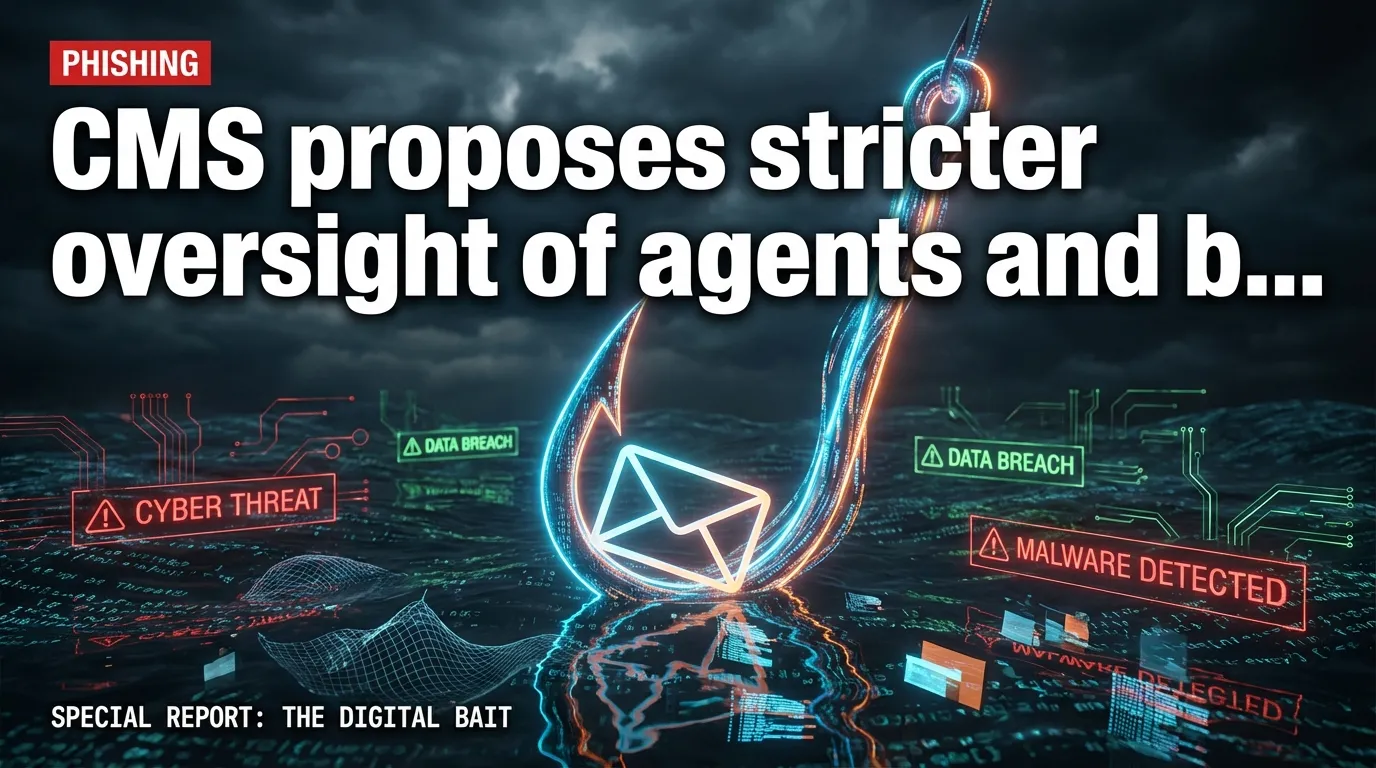
The U.S. Centers for Medicare & Medicaid Services proposed new regulations to reduce fraud and misleading practices by agents and brokers selling government‑backed health plans, increasing oversight of enrollment and marketing. The agency framed the proposal as part of broader efforts to tighten program integrity and protect vulnerable consumers from exploitation.
CMS unveiled a proposed rule aimed at tightening supervision of agents and brokers who enroll consumers into Medicare‑related and other government‑backed health plans, targeting fraudulent enrollment tactics and misleading marketing that can drive up costs and harm beneficiaries. The proposal would impose enhanced oversight on sales practices, require clearer documentation and verification of enrollments, and expand monitoring of marketing activities to reduce opportunities for baiting, impersonation, or inducement schemes. Regulators said the move responds to a string of large‑scale healthcare fraud takedowns and growing concerns about bad‑actor intermediaries who exploit informational asymmetries and the vulnerability of elderly or disabled populations. Industry stakeholders can expect increased disclosure obligations, audit requirements, and potential penalties for noncompliant agents and broker firms. CMS and allied enforcement agencies framed the proposal as a program‑integrity measure intended to protect consumers, reduce improper payments, and limit channels through which illicit actors monetize enrollment and benefits systems.
What this article means for a user right now
The U.S. Centers for Medicare & Medicaid Services proposed new regulations to reduce fraud and misleading practices by agents and brokers selling government‑backed health plans, increasing oversight of enrollment and marketing. The agency framed the proposal as part of broader efforts to tighten program integrity and protect vulnerable consumers from exploitation.
- Text Scam Checker: For suspicious SMS, fake delivery texts, smishing, and verification-code pressure.
- Phishing Link Checker: For suspicious links, login pages, fake delivery texts, and scam emails.
Related Scam Types
Best next step
Official resources
Industry anti-phishing organization with reporting and education resources.
FTC Consumer AdviceUS consumer guidance for scams, fraud patterns, and reporting options.
FBI Internet Crime Complaint CenterOfficial reporting channel for internet-enabled crime in the United States.