DOJ: FBI Phoenix and U.S. Attorney’s Office warn of email scams and BEC/spoofing
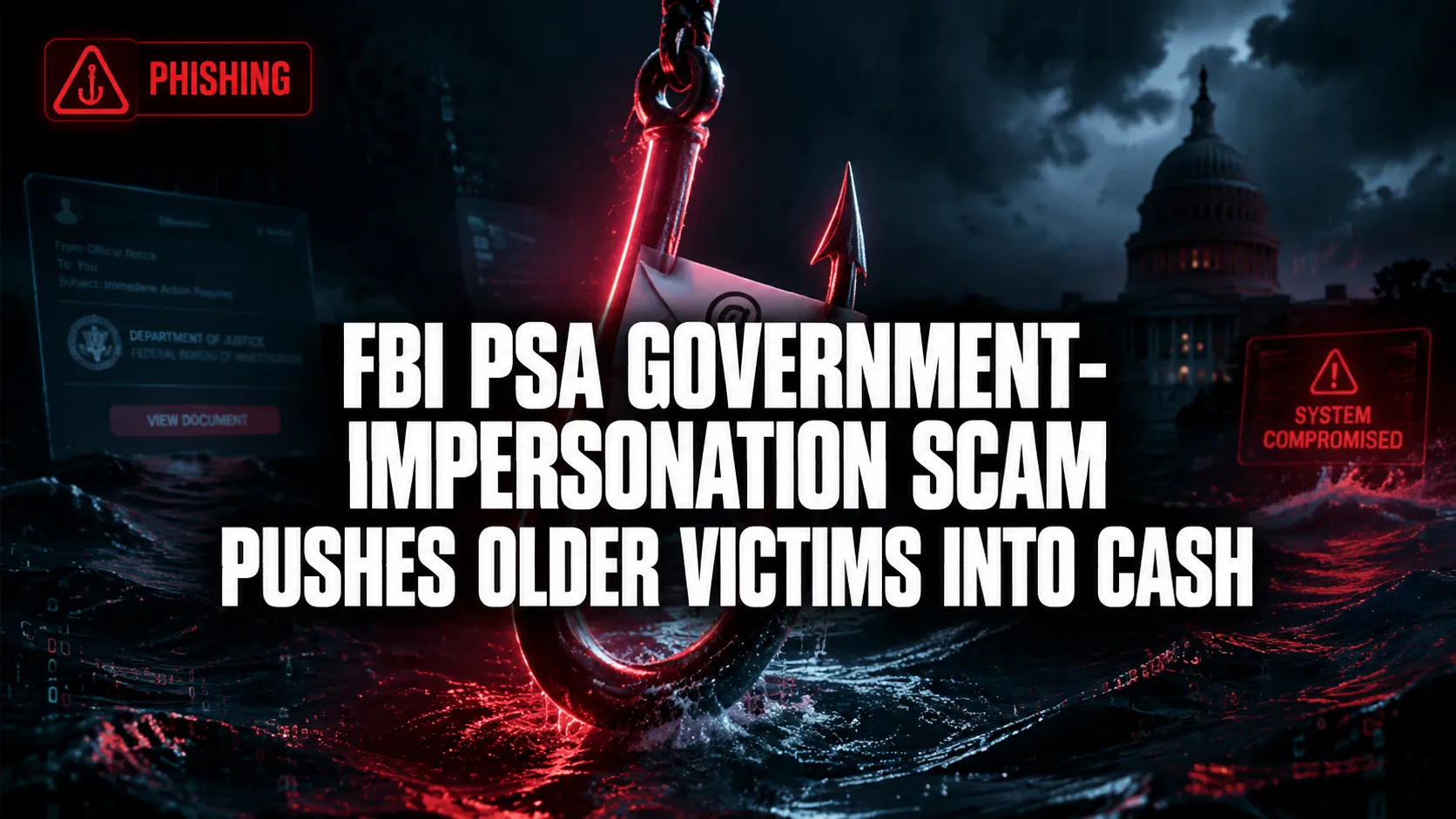
The DOJ highlights how email scams—including business email compromise, spoofing, and government impersonation—can trick victims into sending money. It urges rapid action if targeted and reinforces common patterns used to set up account takeover and payment diversion.
As part of national senior fraud awareness efforts, the U.S. Department of Justice (District of Arizona) describes recurring fraud patterns involving deceptive emails. The release explains that business email compromise (BEC) and related schemes often work by mimicking legitimate third-party accounts so attackers can redirect payments or obtain funds under false pretenses. According to the DOJ, scammers may use spoofed sender addresses, convincing messaging, and account impersonation to make requests appear routine—such as payment instructions, invoice changes, or instructions for transferring money. These tactics can lead victims to believe they are dealing with a trusted business contact while actually sending funds to criminals. The DOJ also notes that email scams frequently intersect with government impersonation and phishing, which can be used to support the broader deception and to prepare for account takeover. The practical warning is clear: if a victim receives suspicious payment or account-related requests, they should act quickly to verify the request through trusted alternate methods rather than relying on the email. The release reiterates that BEC, spoofing, phishing, and impersonation are among the most common categories scammers use to divert payments, including scenarios that target individuals who may be less familiar with modern email fraud tactics.
What this article means for a user right now
The DOJ highlights how email scams—including business email compromise, spoofing, and government impersonation—can trick victims into sending money. It urges rapid action if targeted and reinforces common patterns used to set up account takeover and payment diversion.
- Text Scam Checker: For suspicious SMS, fake delivery texts, smishing, and verification-code pressure.
- Phishing Link Checker: For suspicious links, login pages, fake delivery texts, and scam emails.
Related Scam Types
Best next step
Official resources
Industry anti-phishing organization with reporting and education resources.
FTC Consumer AdviceUS consumer guidance for scams, fraud patterns, and reporting options.
FBI Internet Crime Complaint CenterOfficial reporting channel for internet-enabled crime in the United States.