DOJ: Jeremy Todd Briley pleads guilty over $14M+ fraudulent bank debits via payment-processing ties
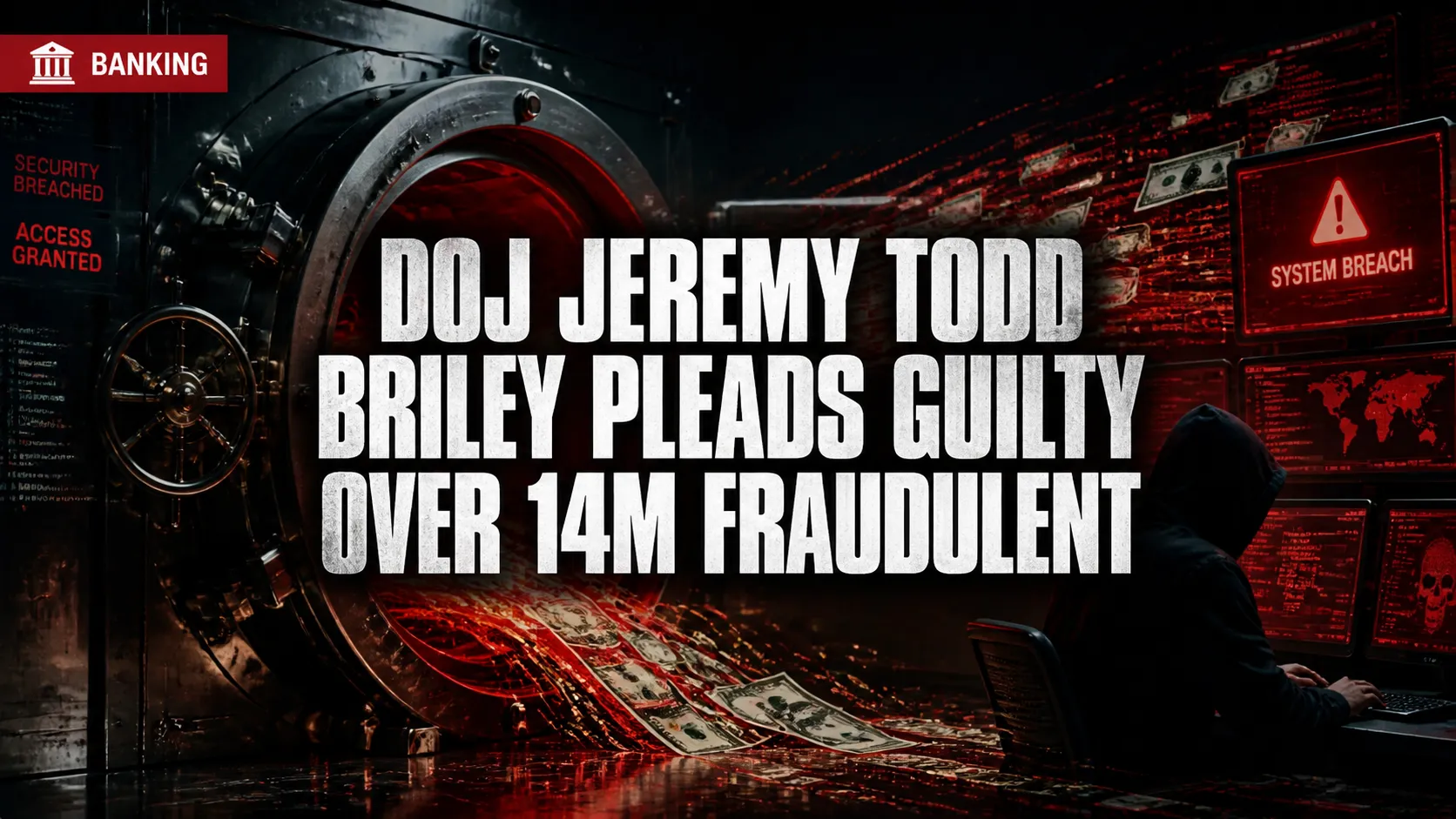
DOJ says Jeremy Todd Briley pleaded guilty to wire fraud for helping sham companies that carried out fraudulent and attempted unauthorized debits from victims’ bank accounts. Prosecutors describe a scheme involving more than $14 million in unauthorized debits and attempted debits.
A U.S. Department of Justice announcement describes a bank-debit fraud case tied to payment-processing relationships. DOJ states that Jeremy Todd Briley pleaded guilty to wire fraud for his role in assisting companies that fraudulently debited (and attempted to debit) victims’ bank accounts without authorization. According to DOJ, the scheme relied on sham entities and payment-processing connections to move through channels that could make the activity appear legitimate to victims or intermediaries. Prosecutors allege the conduct produced large-scale financial harm, with more than $14 million in unauthorized debits and attempted debits tied to the operation. In cases like this, victims may notice unexpected withdrawals, charges, or ACH-style activity that they cannot explain and that may have started after providing account details for a fraudulent transaction, subscription, or “processing” step. The DOJ statement frames Briley’s guilty plea as accountability for wire fraud linked to the unauthorized banking activity. For consumers, the key red flag is any setup that asks for bank access or payment steps without strong verification—especially when the payer claims urgency or demands immediate action. Prompt monitoring, account alerts, and reporting unauthorized debits can limit damage.
What this article means for a user right now
DOJ says Jeremy Todd Briley pleaded guilty to wire fraud for helping sham companies that carried out fraudulent and attempted unauthorized debits from victims’ bank accounts. Prosecutors describe a scheme involving more than $14 million in unauthorized debits and attempted debits.
- Text Scam Checker: For suspicious SMS, fake delivery texts, smishing, and verification-code pressure.
- Phishing Link Checker: For suspicious links, login pages, fake delivery texts, and scam emails.
Related Scam Types
Best next step
Official resources
Industry anti-phishing organization with reporting and education resources.
FTC Consumer AdviceUS consumer guidance for scams, fraud patterns, and reporting options.
FBI Internet Crime Complaint CenterOfficial reporting channel for internet-enabled crime in the United States.