ECB: Payment fraud in EEA rises to €4.2 billion in 2024, strong customer authentication still effective
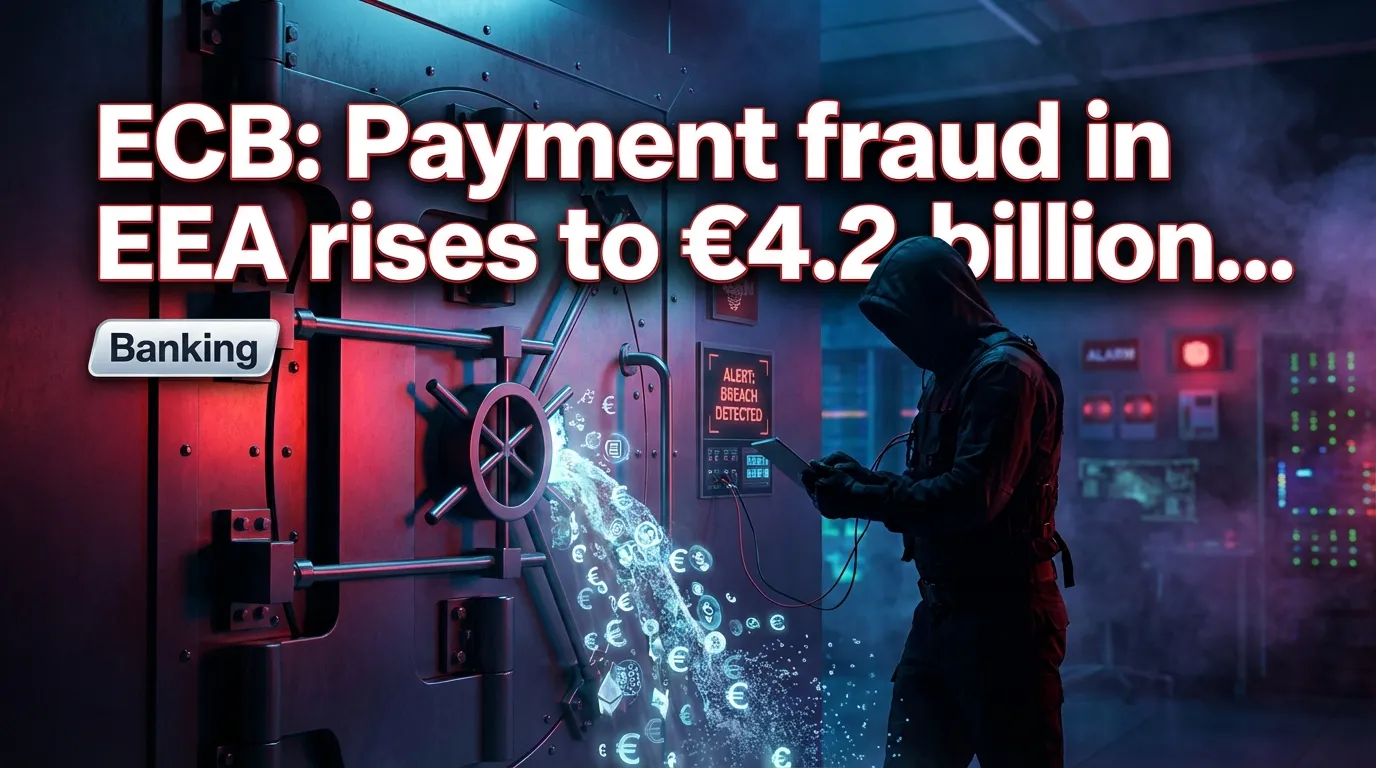
The European Central Bank reported that payment fraud across the European Economic Area rose to €4.2 billion in 2024, up from €3.5 billion in 2023, as fraudsters adapt tactics. The ECB highlighted that strong customer authentication remains an effective deterrent but called for updated anti-fraud strategies to address evolving methods.
Data released by the European Central Bank shows payment fraud in the European Economic Area climbed to €4.2 billion in 2024, marking a significant year-over-year increase from €3.5 billion in 2023 and prompting concern among regulators and financial institutions. The ECB's analysis indicates that fraudsters are evolving tactics, including greater manipulation of payers and use of social engineering and account takeover techniques, even as technical defenses improve. The report underscores that strong customer authentication mechanisms continue to be a key line of defense and are associated with lower fraud rates where they are robustly implemented, but it also warns that fraud patterns shift quickly and require continuous adaptation of detection, authentication, and fraud-prevention frameworks. Regulators and banks are being urged to invest in updated risk-based authentication, real-time transaction monitoring, consumer education on social engineering, and cross-border cooperation to trace illicit flows. The ECB conclusion points to a need for harmonized measures, information sharing, and innovation in anti-fraud tools to mitigate both existing and emergent threats to payment systems across the EEA.
What this article means for a user right now
The European Central Bank reported that payment fraud across the European Economic Area rose to €4.2 billion in 2024, up from €3.5 billion in 2023, as fraudsters adapt tactics. The ECB highlighted that strong customer authentication remains an effective deterrent but called for updated anti-fraud strategies to address evolving methods.
- Phone Scam Checker: For suspicious calls, voicemails, callback pressure, and unknown caller decisions.
- Scam Phone Number Lookup: For checking the context around unknown phone numbers and suspicious callbacks.
Best next step
For suspicious calls, voicemails, callback pressure, and unknown caller decisions.
Scam Phone Number LookupFor checking the context around unknown phone numbers and suspicious callbacks.
Spam Call BlockerFor suspicious callers, callback decisions, robocalls, and voice scam pressure.