FBI arrests “Phantom Hacker” scam suspect at Phoenix Sky Harbor airport
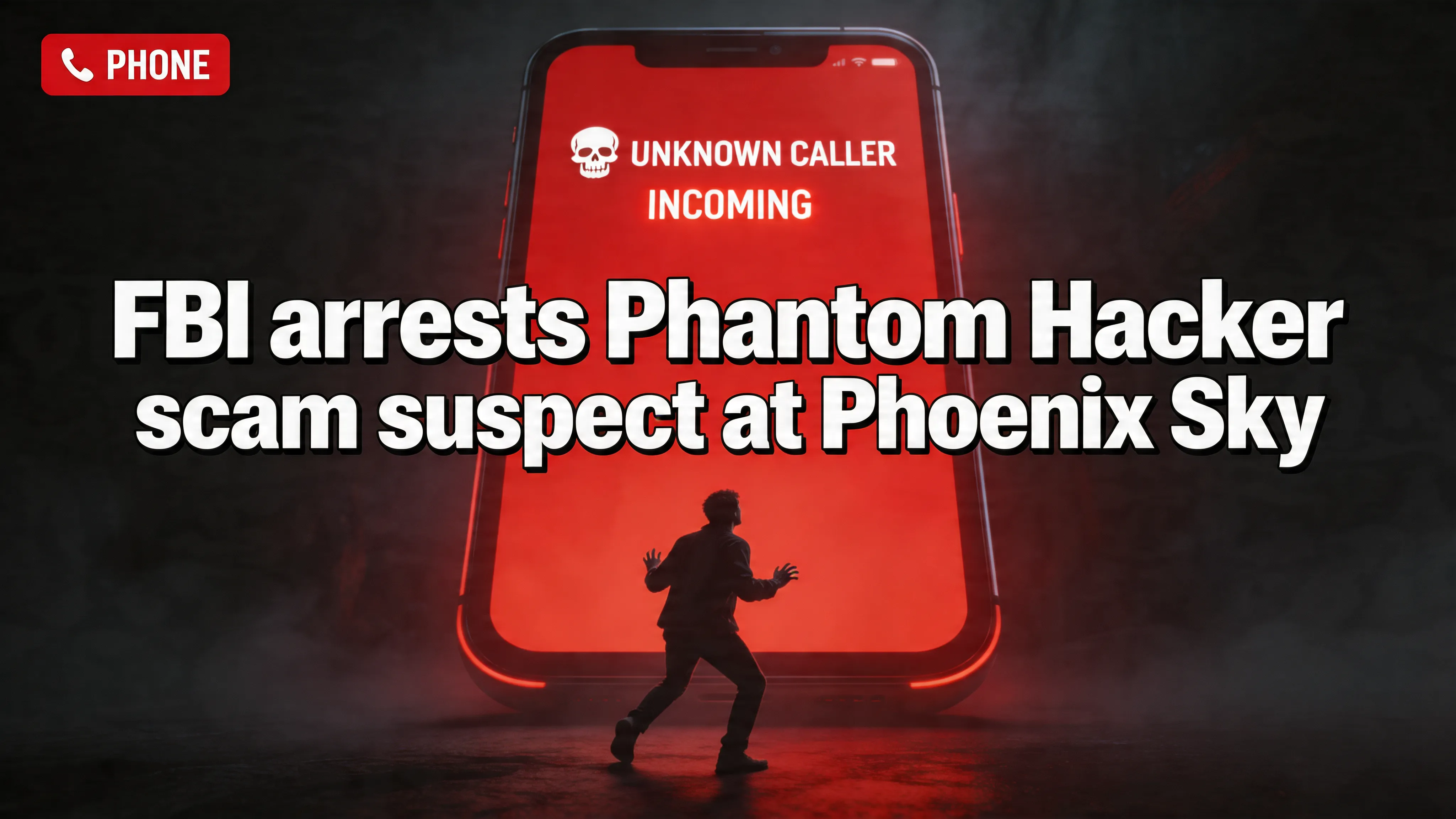
The FBI arrested a suspected scammer at Phoenix Sky Harbor tied to a “phantom hacker” case. Investigators say the scheme used a fake, urgent cyber-incident story to pressure victims into handing over money.
Federal investigators report that an alleged “phantom hacker” scamster was arrested at Phoenix Sky Harbor in connection with a phone/fraud scheme that relied on staged urgency and deception. According to reporting, victims were led to believe an authentic, time-sensitive cyber event was happening, pushing them to respond quickly rather than verify the claim through trusted channels. Once the communication hook was established, the scam evolved toward payment or account/verification steps that would allow criminals to extract funds. The core risk pattern is the same one seen across many modern fraud operations: scammers attempt to create panic (e.g., “you’ve been hacked”) and then move the victim from awareness to action within minutes. For consumers and organizations, the defensive play is to treat unsolicited warnings claiming you are under cyberattack as untrusted until independently confirmed, hang up or ignore incoming calls/texts, and verify through official contact methods (not numbers given in the message). If money was requested, stop all transfers, preserve messages, and report to appropriate authorities or financial institutions immediately.
What this article means for a user right now
The FBI arrested a suspected scammer at Phoenix Sky Harbor tied to a “phantom hacker” case. Investigators say the scheme used a fake, urgent cyber-incident story to pressure victims into handing over money.
- Phone Scam Checker: For suspicious calls, voicemails, callback pressure, and unknown caller decisions.
- Scam Phone Number Lookup: For checking the context around unknown phone numbers and suspicious callbacks.
Best next step
For suspicious calls, voicemails, callback pressure, and unknown caller decisions.
Scam Phone Number LookupFor checking the context around unknown phone numbers and suspicious callbacks.
Spam Call BlockerFor suspicious callers, callback decisions, robocalls, and voice scam pressure.