FTC: Scam claiming “FTC agent” sends fake employee-ID photo to trigger refund and recovery payments
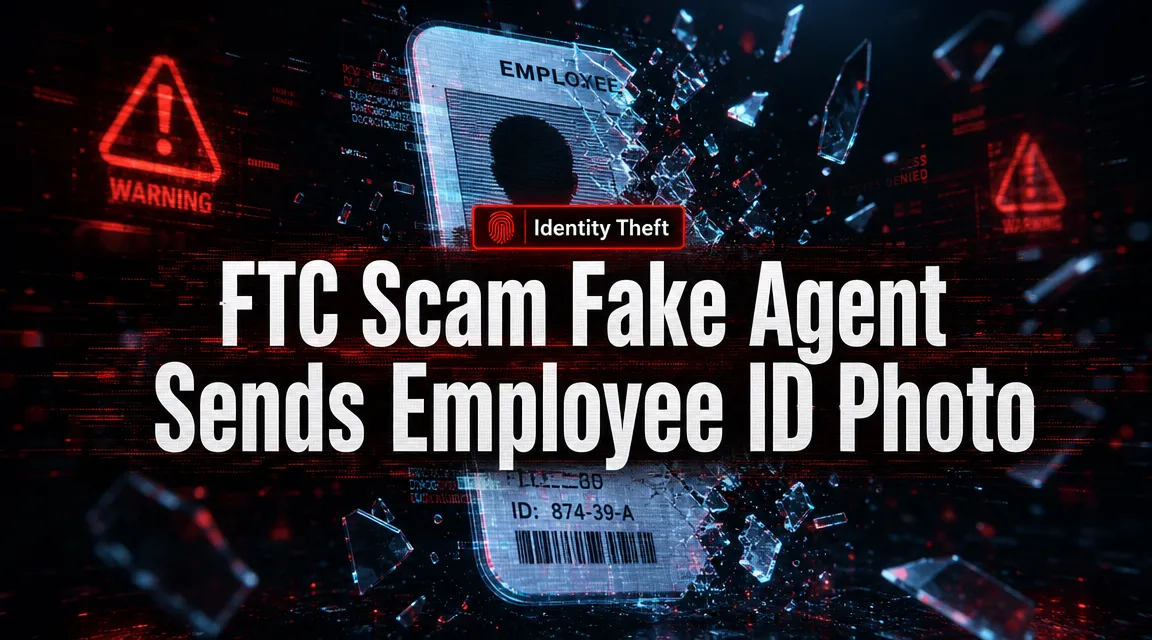
The FTC warns that scammers impersonating “FTC agents” may text fake employee-ID photos to gain trust. The goal is to move victims into refund and recovery scams that require payments.
The FTC is warning consumers about a new impersonation tactic tied to “refund and recovery” scams. In the reported scheme, fraudsters claim to be FTC agents and use text-based outreach to convince targets they are legitimate. A central component is the use of a photo meant to resemble an FTC employee identification card, which scammers send to strengthen credibility. The FTC emphasizes that real FTC employees will not contact people by text in this manner for verification purposes or by sending employee-ID photos. The impersonation is designed to create immediate trust and lower skepticism—especially for victims who may already be looking for help recovering money. Once trust is established, scammers pivot to demands for additional payments under the banner of handling refunds, recovery efforts, or related “case” work. This scam is particularly dangerous because it weaponizes authority cues. By presenting what looks like official documentation, scammers attempt to overcome a victim’s instinct to pause before paying or sharing information. The FTC’s alert directs people to reject identity-verification requests sent by text and to treat any payment demand in a “recovery” scenario as a major warning sign. Consumers are advised to rely on official channels and to avoid complying with instructions from unverified contacts, especially when the interaction includes payment requests after alleged identity checks.
What this article means for a user right now
The FTC warns that scammers impersonating “FTC agents” may text fake employee-ID photos to gain trust. The goal is to move victims into refund and recovery scams that require payments.
- Text Scam Checker: For suspicious SMS, fake delivery texts, smishing, and verification-code pressure.
- Phishing Link Checker: For suspicious links, login pages, fake delivery texts, and scam emails.
Related Scam Types
Best next step
Official resources
Related Articles

Georgia man charged with selling counterfeit Social Security cards using real identities
Andres Jesus Linares-Rea charged with wire fraud in solar panel loan identity-theft scheme (TX)