Massachusetts $1.4M Benefit Fraud: DOJ Says False Statements Fueled SNAP Misuse
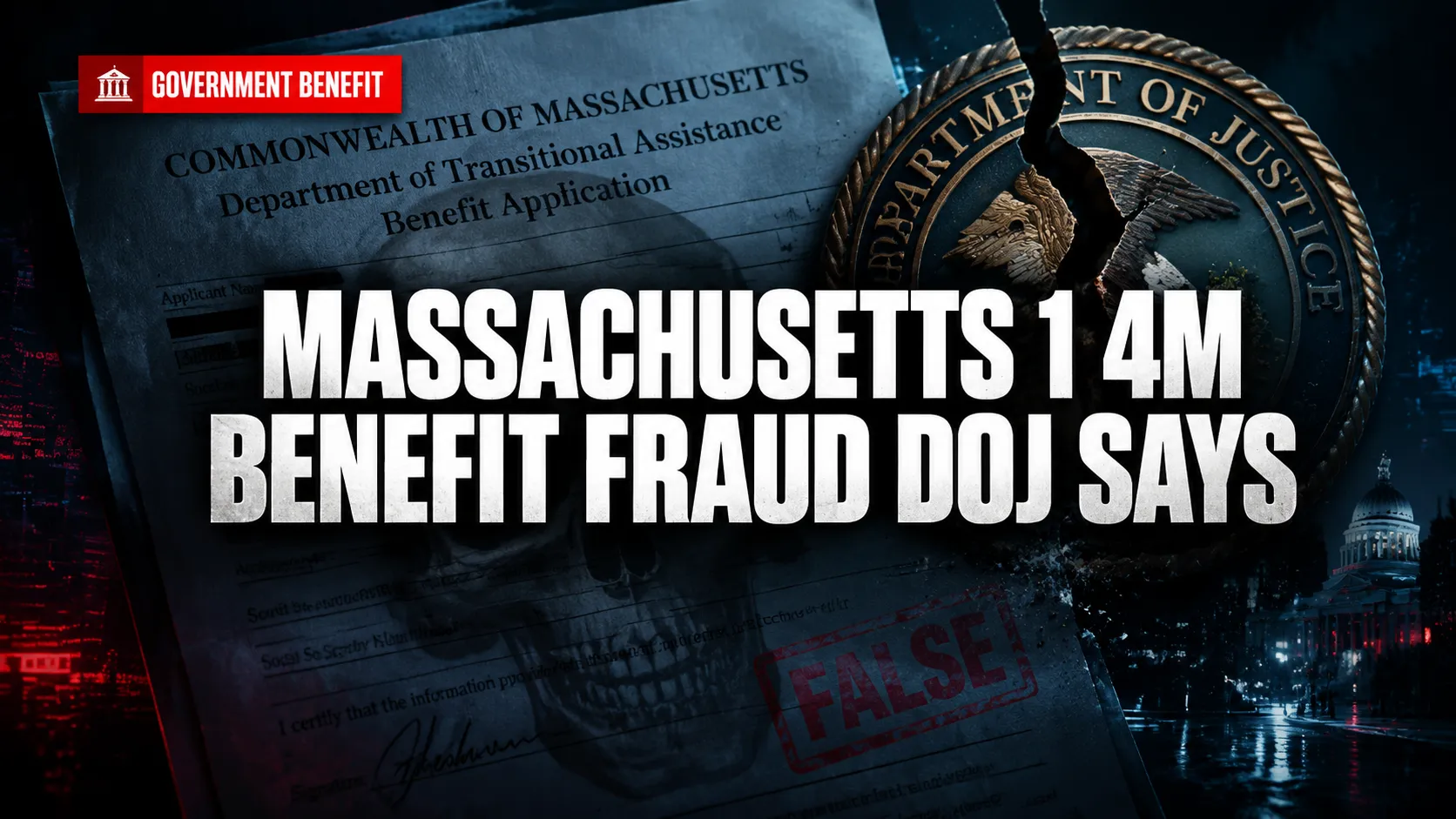
DOJ announced arrests and charges in a Massachusetts scheme accused of using false statements to obtain approximately $1.4 million in public benefits. The case targets alleged SNAP and other benefit fraud involving fraudulent eligibility claims.
The Department of Justice announced charges and arrests connected to an alleged Massachusetts benefit fraud operation totaling about $1.4 million. DOJ reported that 15 individuals were charged, including 11 illegal aliens and 4 U.S. citizens, based on allegations that they obtained benefits through fraudulent means. Prosecutors said the scheme involved false statements and related identity/claims conduct tied to public assistance programs, including SNAP and other benefits. Cases like this typically stem from repeated submission of incorrect information to benefit agencies—information that may include identity details, household composition, income facts, or other eligibility requirements. When defendants misrepresent those facts, they can trigger payments and renewals that continue until detected. DOJ’s description of “fraudulent means” signals the government viewed the conduct as intentional deception rather than administrative error. For the public, benefit fraud enforcement can ripple outward: once investigators connect claims and documentation patterns, the government may pursue additional charges or restitution tied to the overpayments. Potential consequences can include criminal penalties, repayment of wrongfully obtained funds, and collateral impacts such as immigration-related proceedings for noncitizens. If someone offers to “fix” a benefits application by filing untrue information or documents, DOJ’s case illustrates the danger: it can turn routine paperwork into alleged criminal fraud with serious legal exposure.
What this article means for a user right now
DOJ announced arrests and charges in a Massachusetts scheme accused of using false statements to obtain approximately $1.4 million in public benefits. The case targets alleged SNAP and other benefit fraud involving fraudulent eligibility claims.
- Phone Scam Checker: For suspicious calls, voicemails, callback pressure, and unknown caller decisions.
- Scam Phone Number Lookup: For checking the context around unknown phone numbers and suspicious callbacks.
Related Scam Types
Best next step
For suspicious calls, voicemails, callback pressure, and unknown caller decisions.
Scam Phone Number LookupFor checking the context around unknown phone numbers and suspicious callbacks.
Spam Call BlockerFor suspicious callers, callback decisions, robocalls, and voice scam pressure.