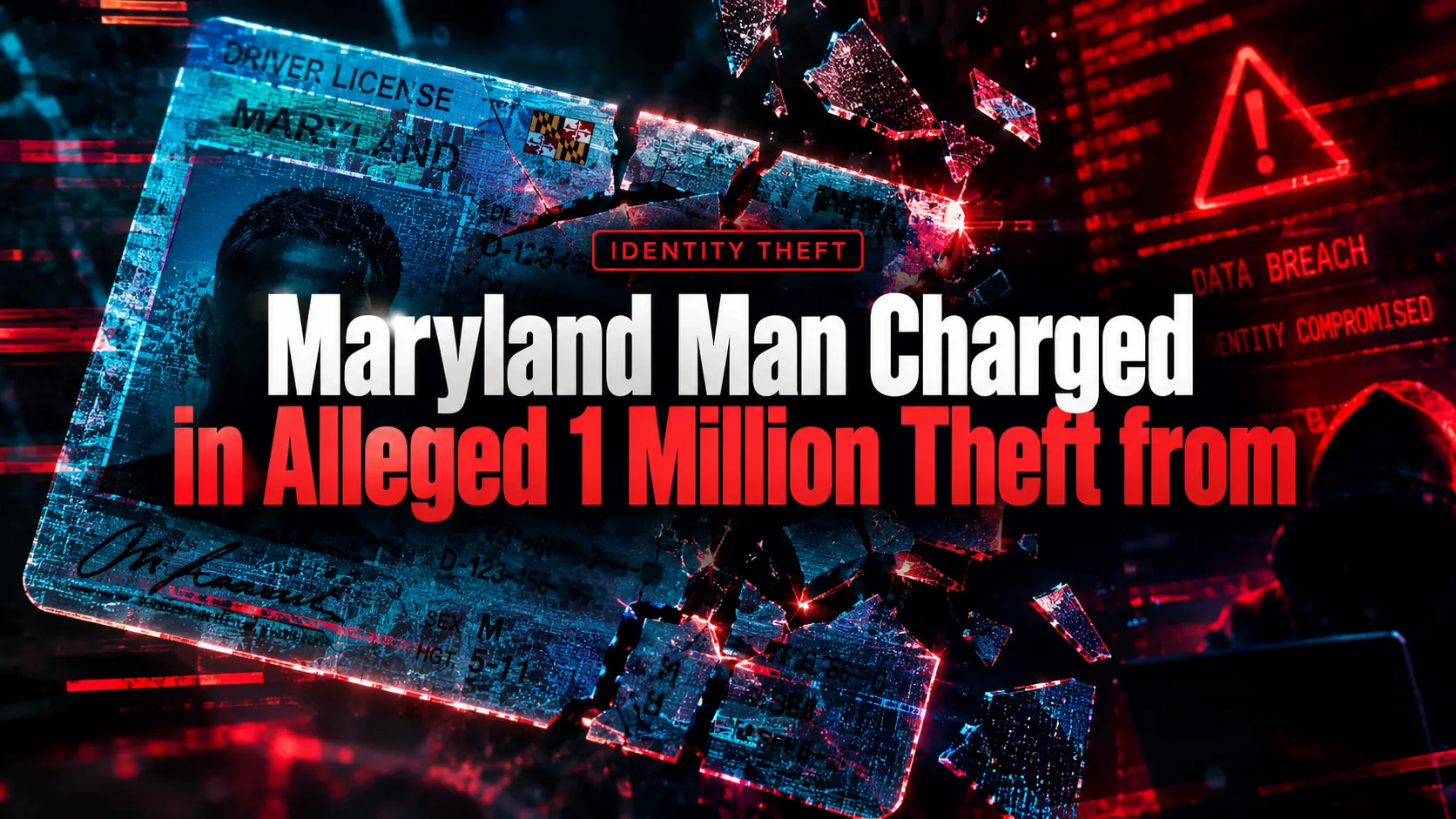
Ohio man sentenced to 132 months after jury convicts him for $1.2M pandemic benefits identity‑theft scheme

A Portage County man was sentenced to 132 months in prison following a jury conviction for a scheme that used stolen identities to obtain approximately $1.2 million in pandemic relief funds. The case included counts of wire and bank fraud as well as aggravated identity theft and was highlighted by prosecutors as an example of large‑scale identity‑based fraud during the pandemic.
A federal court in the Northern District of Ohio sentenced a Portage County man to 132 months in prison after a jury found him guilty of orchestrating a scheme that used stolen identities to secure roughly $1.2 million in pandemic relief benefits. Prosecutors presented evidence of multiple false applications, fraudulent bank account activity, and coordinated efforts to conceal the origin and disposition of illicit funds. Charges included wire fraud, bank fraud, and aggravated identity theft; the sentence reflects the gravity of leveraging other people’s personal data to exploit emergency assistance programs. The Department of Justice highlighted the case to emphasize the persistent threat identity theft poses to relief programs and the broader economy, urging agencies and claim processors to strengthen identity‑proofing and verification measures. Authorities advised individuals to monitor financial accounts, place fraud alerts if they suspect misuse, and report suspicious benefit claims to law enforcement. The case also underscores the role of cross‑agency investigations and public reporting in detecting and prosecuting pandemic‑era fraudsters.
What this article means for a user right now
A Portage County man was sentenced to 132 months in prison following a jury conviction for a scheme that used stolen identities to obtain approximately $1.2 million in pandemic relief funds. The case included counts of wire and bank fraud as well as aggravated identity theft and was highlighted by prosecutors as an example of large‑scale identity‑based fraud during the pandemic.
- Scam Detector: For mixed scam inputs such as messages, files, screenshots, links, and fake shops.
- How StopScam Works: For the product path from first web check to ongoing mobile protection.