SEC sues crypto founder over alleged $16M Bitcoin Latinum (BTL) phantom insurance fraud
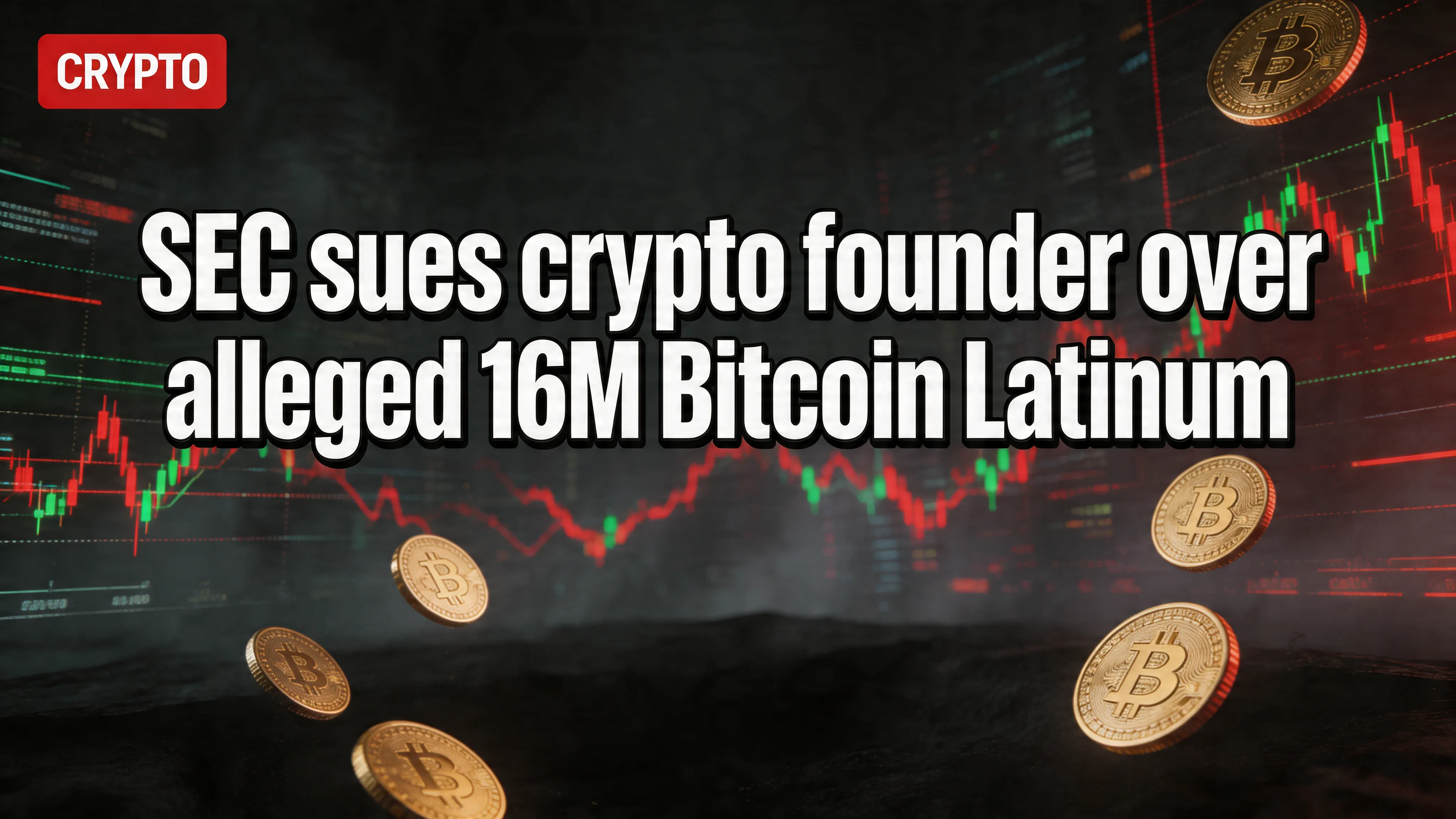
The SEC alleges a crypto founder misled investors through a token offering tied to “phantom insurance,” seeking damages related to about $16 million. The case focuses on consumer/investor risk from misleading crypto claims.
The U.S. Securities and Exchange Commission has filed a civil fraud lawsuit targeting a crypto founder, alleging that investors were misled in connection with a token offering involving Bitcoin Latinum (BTL). The SEC’s allegations include claims associated with “phantom insurance,” a term used in the complaint to describe insurance-related representations that regulators say were not real or not as described. Prosecutors characterize the matter as a direct investor-protection case—centering on whether disclosures and marketing induced people to believe the token was supported or protected in ways that were not accurate. The SEC states the conduct caused significant financial harm, citing a figure of roughly $16 million tied to the alleged scheme’s scope. Cases like this are meant to curb false or unverified assurances in the crypto market, especially when promotions blur the line between investment promises and marketing. For U.S. consumers, the key takeaway is to treat claims involving insurance, guarantees, or risk-mitigation as high-risk marketing until independently verified in reputable regulatory filings. Verify the issuer, read disclosures carefully, and be cautious about urgency-driven calls or messages promoting tokens or “safe” crypto products.
What this article means for a user right now
The SEC alleges a crypto founder misled investors through a token offering tied to “phantom insurance,” seeking damages related to about $16 million. The case focuses on consumer/investor risk from misleading crypto claims.
- Phone Scam Checker: For suspicious calls, voicemails, callback pressure, and unknown caller decisions.
- Scam Phone Number Lookup: For checking the context around unknown phone numbers and suspicious callbacks.
Related Scam Types
Best next step
For suspicious calls, voicemails, callback pressure, and unknown caller decisions.
Scam Phone Number LookupFor checking the context around unknown phone numbers and suspicious callbacks.
Spam Call BlockerFor suspicious callers, callback decisions, robocalls, and voice scam pressure.