Senators Gallego and Moreno unveil bipartisan SCAM Act to curb scam ads on social platforms
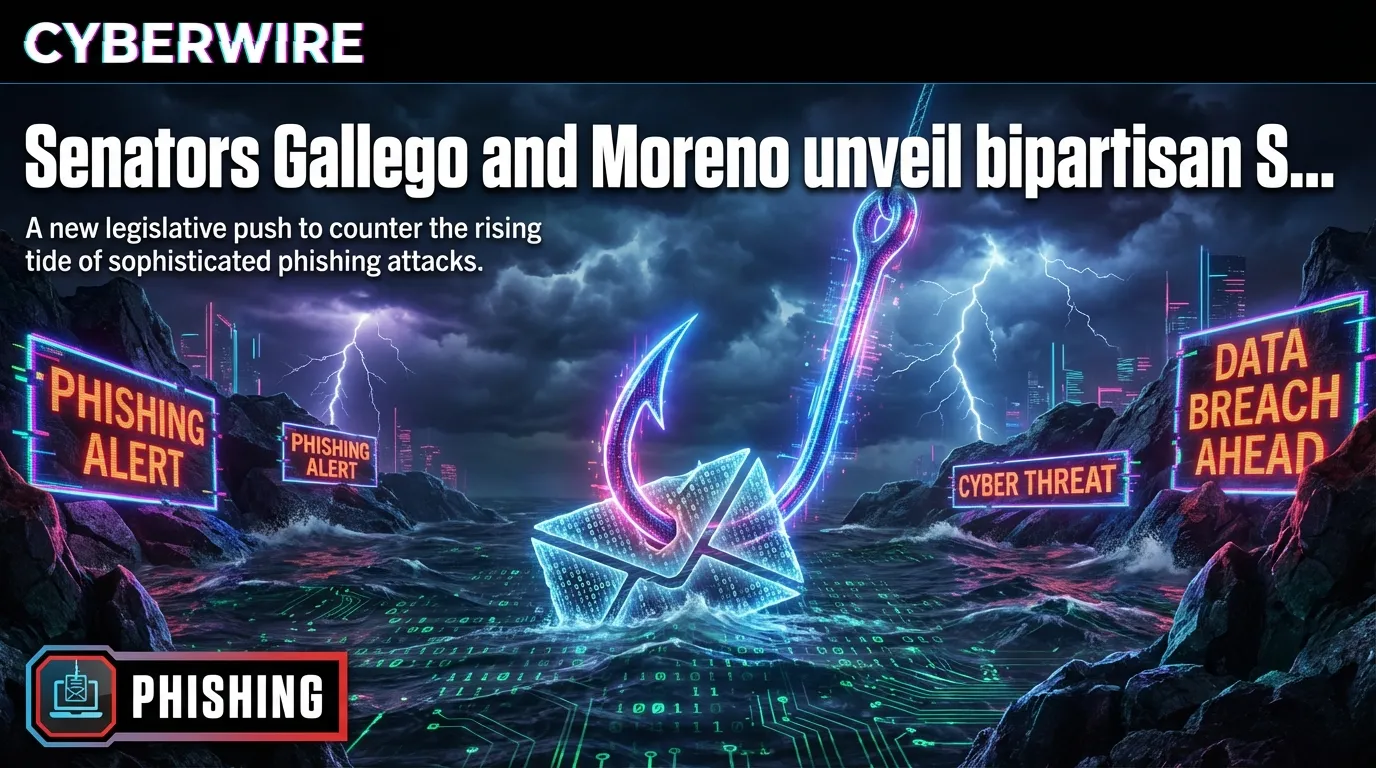
Senators Ruben Gallego (D‑AZ) and Bernie Moreno (R‑OH) introduced the Safeguarding Consumers from Advertising Misconduct (SCAM) Act to force online platforms to take steps against fraudulent ads. The bipartisan bill would require platforms to verify advertisers and block scam ads or face enforcement by the FTC and state attorneys‑general.
The SCAM Act, introduced Feb. 4, 2026, would mandate that major online platforms take “reasonable steps” to verify the identity and legitimacy of advertisers, implement detection controls to prevent known fraud patterns, and remove ads identified as fraudulent. Under the bill, the Federal Trade Commission and state attorneys‑general would have authority to seek civil penalties or other remedies for noncompliance. Sponsors cited reporting on large volumes of scam advertisements appearing across major social platforms and noted backing from consumer advocacy groups and banking industry participants. The measure targets schemes that use deceptive ad copy, fake endorsements, and misrepresented financial products to steal money or personal data from consumers. Proponents argue the bill addresses gaps where platforms say they are intermediaries while victims face harm; opponents may raise concerns about implementation burdens, free‑speech implications, and the regulatory reach into ad verification practices. If enacted, the law would push platforms to adopt stronger advertiser vetting, asset freezes or takedowns tied to ad campaigns, and greater transparency about ad provenance.
What this article means for a user right now
Senators Ruben Gallego (D‑AZ) and Bernie Moreno (R‑OH) introduced the Safeguarding Consumers from Advertising Misconduct (SCAM) Act to force online platforms to take steps against fraudulent ads. The bipartisan bill would require platforms to verify advertisers and block scam ads or face enforcement by the FTC and state attorneys‑general.
- Text Scam Checker: For suspicious SMS, fake delivery texts, smishing, and verification-code pressure.
- Phishing Link Checker: For suspicious links, login pages, fake delivery texts, and scam emails.