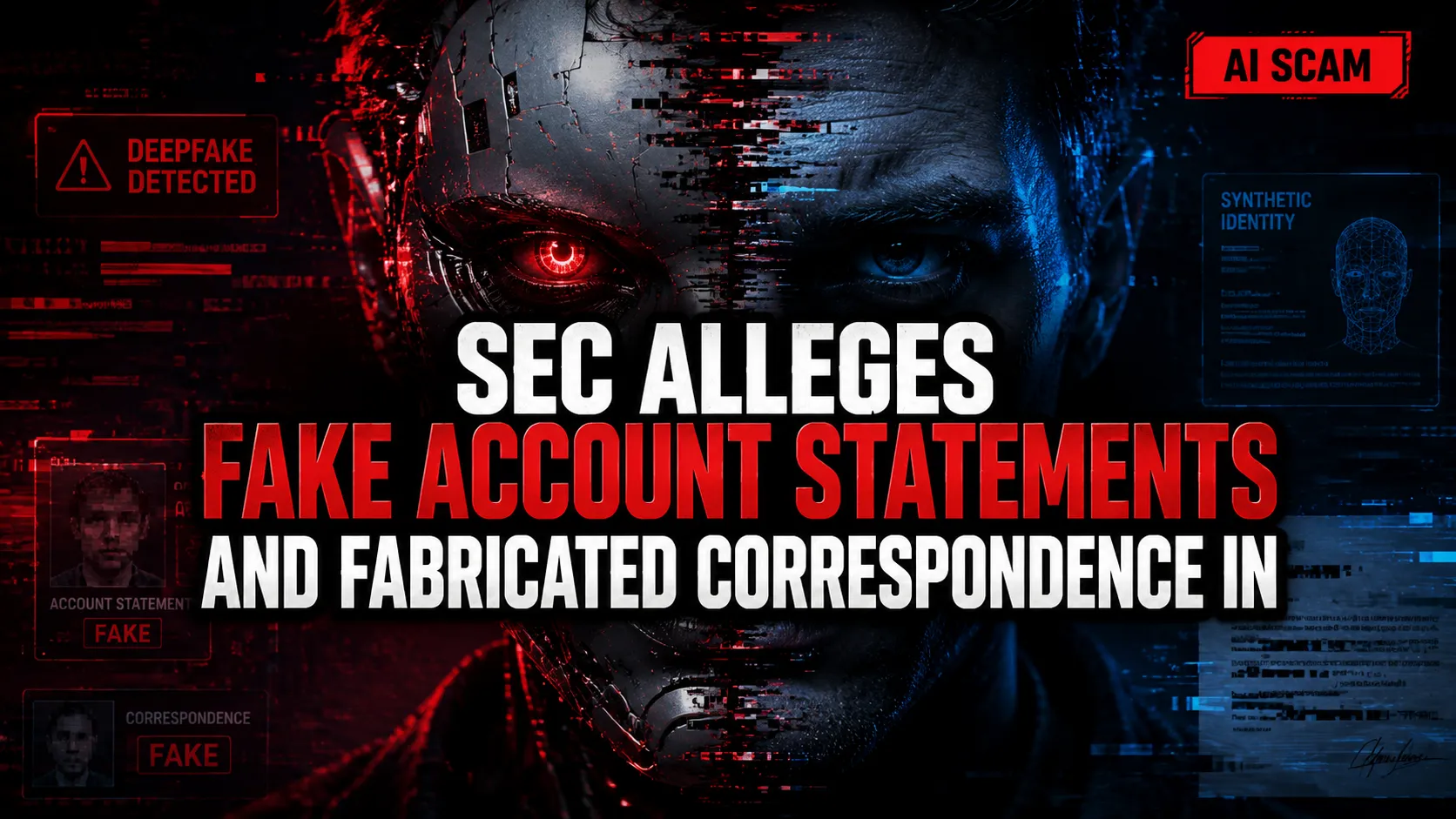
U.S. Postal Inspectors warn AI‑generated photos and voice clones used in scams

The U.S. Postal Inspection Service issued a national advisory for National Consumer Protection Week warning scammers increasingly use AI‑generated photos and voice cloning to make cons more convincing. The notice outlines tactics such as romance and urgent voice‑clone calls, and offers tips and reporting links to help consumers avoid and report AI‑enabled fraud.
In a national advisory timed to National Consumer Protection Week, the U.S. Postal Inspection Service alerted consumers that scammers are rapidly adopting AI tools—voice cloning, synthetic photos and deepfake video—to amplify the realism and persuasiveness of frauds. The agency described common patterns including romance scams that leverage synthetic imagery to establish trust, AI‑generated voice clones used in urgent‑call extortion or impersonation of family members, and hybrid approaches that mix real stolen data with fabricated audio or images. The advisory emphasizes practical defenses: verify identities through independent channels, be skeptical of requests for money or sensitive data, avoid sending funds through untraceable methods, and use platform reporting tools and law‑enforcement tips provided in the notice. The Postal Inspection Service also highlighted reporting pathways for mail‑related fraud and partnered awareness resources intended to reach older adults who are frequent targets. The bulletin underscores how accessible generative AI lowers the barrier to sophisticated impersonation, stressing proactive consumer education and rapid reporting to disrupt fraud chains before funds or identities are stolen.
What this article means for a user right now
The U.S. Postal Inspection Service issued a national advisory for National Consumer Protection Week warning scammers increasingly use AI‑generated photos and voice cloning to make cons more convincing. The notice outlines tactics such as romance and urgent voice‑clone calls, and offers tips and reporting links to help consumers avoid and report AI‑enabled fraud.
- Phone Scam Checker: For suspicious calls, voicemails, callback pressure, and unknown caller decisions.
- Scam Phone Number Lookup: For checking the context around unknown phone numbers and suspicious callbacks.
Related Scam Types
Best next step
For suspicious calls, voicemails, callback pressure, and unknown caller decisions.
Scam Phone Number LookupFor checking the context around unknown phone numbers and suspicious callbacks.
Spam Call BlockerFor suspicious callers, callback decisions, robocalls, and voice scam pressure.
Official resources
Industry anti-phishing organization with reporting and education resources.
FTC Consumer AdviceUS consumer guidance for scams, fraud patterns, and reporting options.
FBI Internet Crime Complaint CenterOfficial reporting channel for internet-enabled crime in the United States.