DOJ: ALPHV BlackCat Ransomware Attacks—2 Americans Sentenced for Multi-Victim Extortion
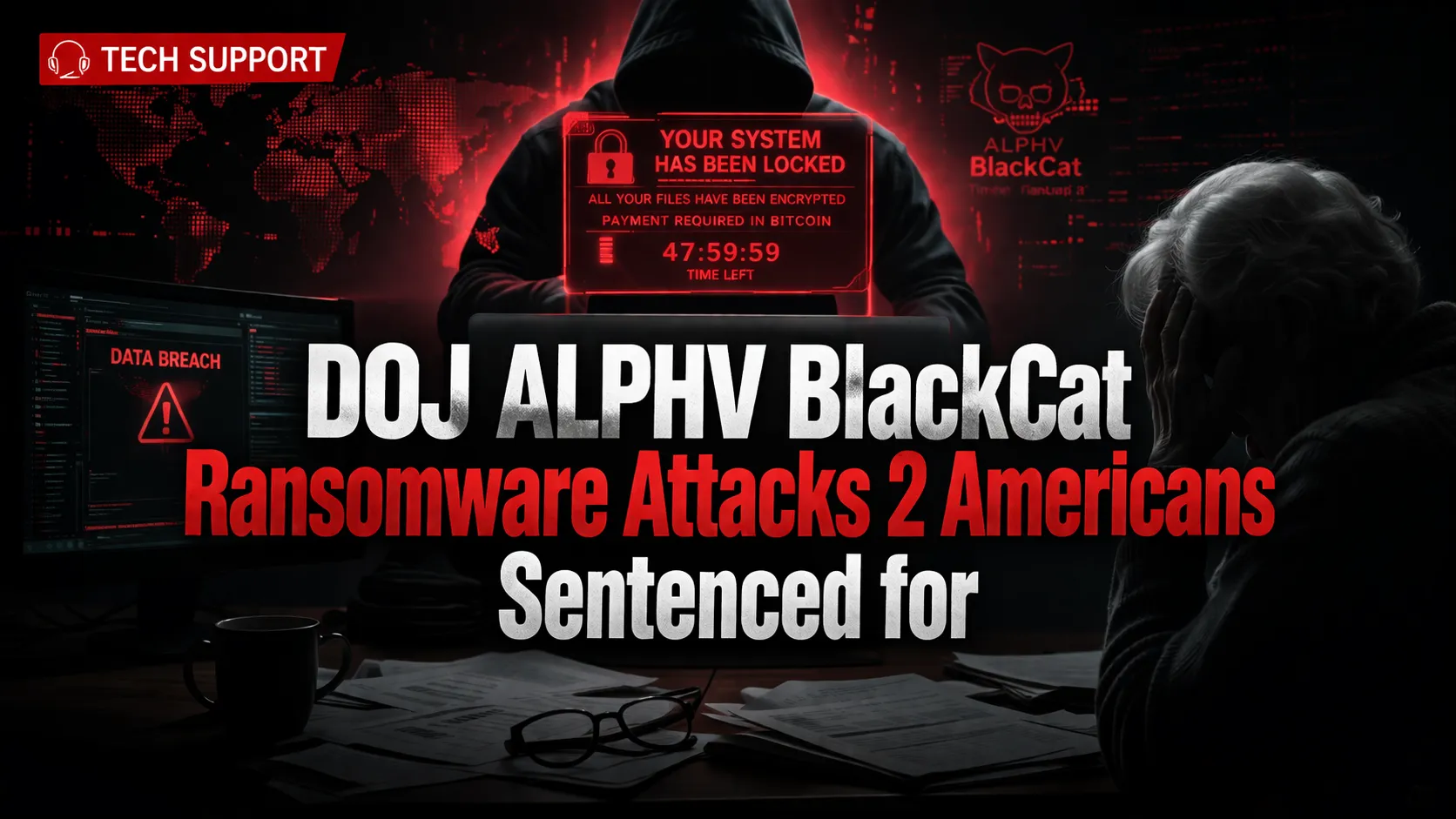
DOJ says two U.S. defendants were sentenced for participating in ALPHV BlackCat ransomware attacks. Prosecutors allege the attacks targeted multiple U.S. victims and involved extortion and ransom negotiations.
The U.S. Department of Justice announced that two Americans were sentenced for participating in attacks against multiple U.S. victims using ALPHV BlackCat ransomware. DOJ’s release describes the defendants’ involvement in a ransomware extortion scheme that, prosecutors say, pressured victims to pay ransoms after compromise and related harms. Ransomware campaigns like the one described by DOJ typically combine data access or disruption with negotiation dynamics intended to force payment. In this case, DOJ notes that the government had previously highlighted disruption efforts connected to the overall investigation. The release also states DOJ obtained guilty pleas from co-conspirators tied to extortion and ransom negotiations, suggesting that the case is part of a broader effort to hold individuals responsible across different roles in the criminal enterprise. The sentencing announcement is framed as an outcome of coordinated disruption and prosecution, with DOJ and the FBI playing key roles. While specific sentence lengths and the full technical timeline are not detailed in the provided summary, the key allegation remains that defendants participated in BlackCat operations against multiple victims. This case reinforces that ransomware actors increasingly use multi-stage extortion tactics—often tied to data theft and payment pressure—so successful prosecution depends on tracing conspirators’ actions across infrastructure, communications, and negotiation processes.
What this article means for a user right now
DOJ says two U.S. defendants were sentenced for participating in ALPHV BlackCat ransomware attacks. Prosecutors allege the attacks targeted multiple U.S. victims and involved extortion and ransom negotiations.
- Phone Scam Checker: For suspicious calls, voicemails, callback pressure, and unknown caller decisions.
- Scam Phone Number Lookup: For checking the context around unknown phone numbers and suspicious callbacks.
Related Scam Types
Best next step
For suspicious calls, voicemails, callback pressure, and unknown caller decisions.
Scam Phone Number LookupFor checking the context around unknown phone numbers and suspicious callbacks.
Spam Call BlockerFor suspicious callers, callback decisions, robocalls, and voice scam pressure.
Official resources
Related Articles
Tren de Aragua Links Cited in DOJ ATM Malware Case: Ploutus Used to Force U.S. ATMs to Dispense Cash
Tonawanda NY man charged after fake Microsoft “security” alert led to $22,000 fraud attempt