DOJ: Call centers, altered recordings, and straw DME suppliers used in Rufus French $197M Medicare scheme
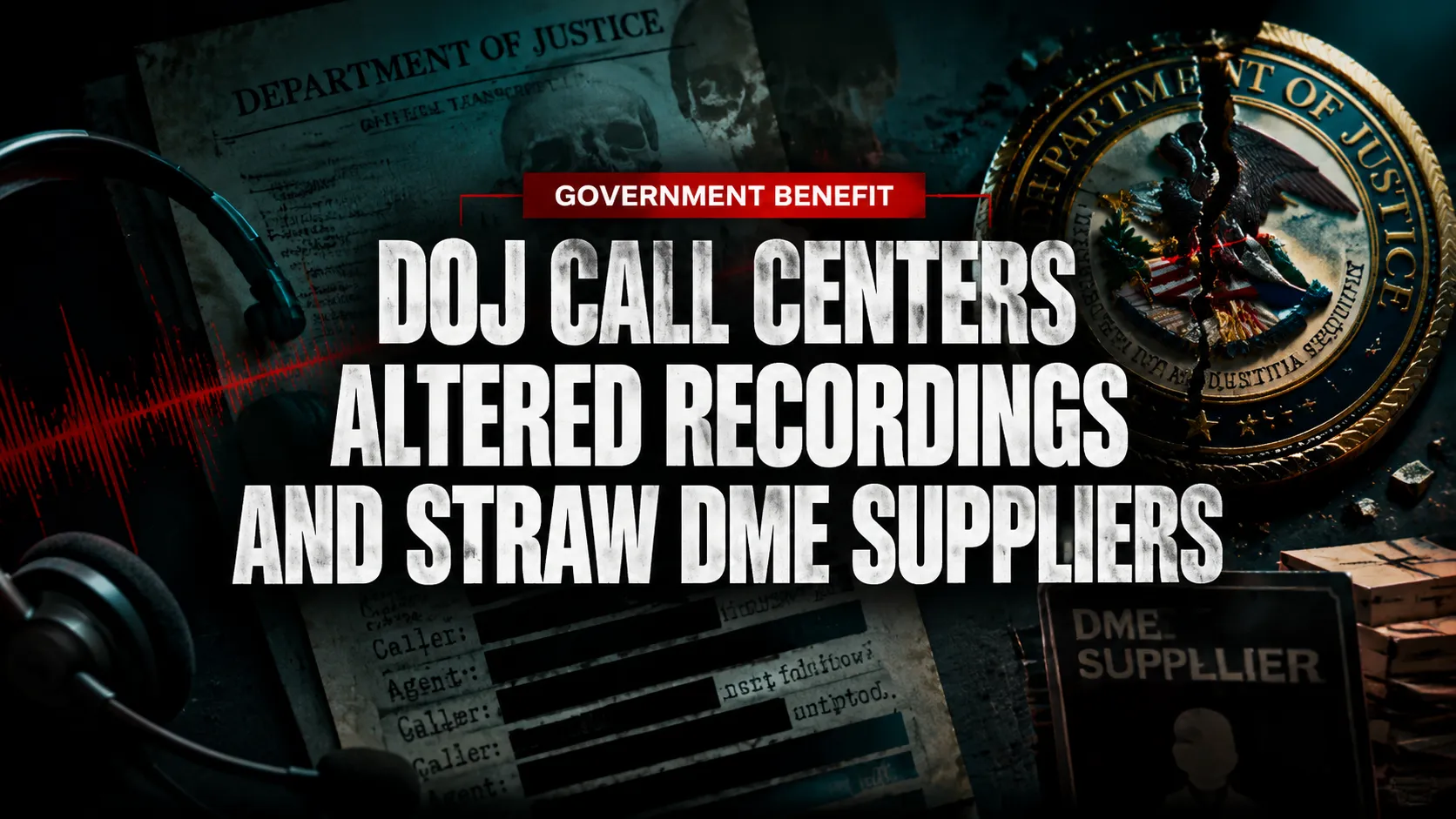
Prosecutors allege Joel Rufus French used overseas call centers and altered recordings to make orthotic braces appear justified. DOJ also claims straw-owned DME suppliers helped funnel fraudulent reimbursements to Medicare and CHAMPVA.
The DOJ press release says the Medicare and CHAMPVA fraud case against Joel Rufus French depended on operational steps designed to manufacture “medical necessity.” Prosecutors allege French and co-conspirators used overseas telemarketing call centers to reach patients and to promote orthotic braces. DOJ further claims the scheme involved sham telemedicine—an arrangement prosecutors describe as used to create the appearance of legitimate evaluations and patient eligibility for reimbursable care. A key allegation in DOJ’s account is the manipulation of evidence. DOJ says French used call centers and altered recordings, which prosecutors characterize as part of the process for supporting fraudulent patient interactions and documentation. The government also alleges straw-owned durable medical equipment (DME) suppliers were part of the workflow, providing a way to submit claims through intermediaries rather than directly tying the scheme to a single entity. By combining deceptive outreach, purported remote medical processing, and falsified or modified supporting materials, prosecutors say the conspiracy enabled medically unnecessary claims to reach Medicare and VA-linked CHAMPVA. DOJ characterizes the approach as particularly harmful to older and disabled victims who may have relied on the legitimacy of remote medical instructions and the reimbursement system. French’s 196-month sentence reflects DOJ’s view that the conduct was both sophisticated and extensive, involving health care fraud and money laundering tied to large-scale improper payments.
What this article means for a user right now
Prosecutors allege Joel Rufus French used overseas call centers and altered recordings to make orthotic braces appear justified. DOJ also claims straw-owned DME suppliers helped funnel fraudulent reimbursements to Medicare and CHAMPVA.
- Phone Scam Checker: For suspicious calls, voicemails, callback pressure, and unknown caller decisions.
- Scam Phone Number Lookup: For checking the context around unknown phone numbers and suspicious callbacks.
Related Scam Types
Best next step
For suspicious calls, voicemails, callback pressure, and unknown caller decisions.
Scam Phone Number LookupFor checking the context around unknown phone numbers and suspicious callbacks.
Spam Call BlockerFor suspicious callers, callback decisions, robocalls, and voice scam pressure.
Official resources
Industry anti-phishing organization with reporting and education resources.
FTC Consumer AdviceUS consumer guidance for scams, fraud patterns, and reporting options.
FBI Internet Crime Complaint CenterOfficial reporting channel for internet-enabled crime in the United States.
Related Articles
DOJ: arrests of seven men for alleged fraudulent PPP/EIDL loan applications totaling $205,639
FTC: Search-Result Fraud for Health Insurance—Scroll Past “Ad/Sponsored” Government Impersonators