DOJ: Latvian Sentenced to 102 Months for Russian Ransomware Attacks and Extortion of 54+ Companies
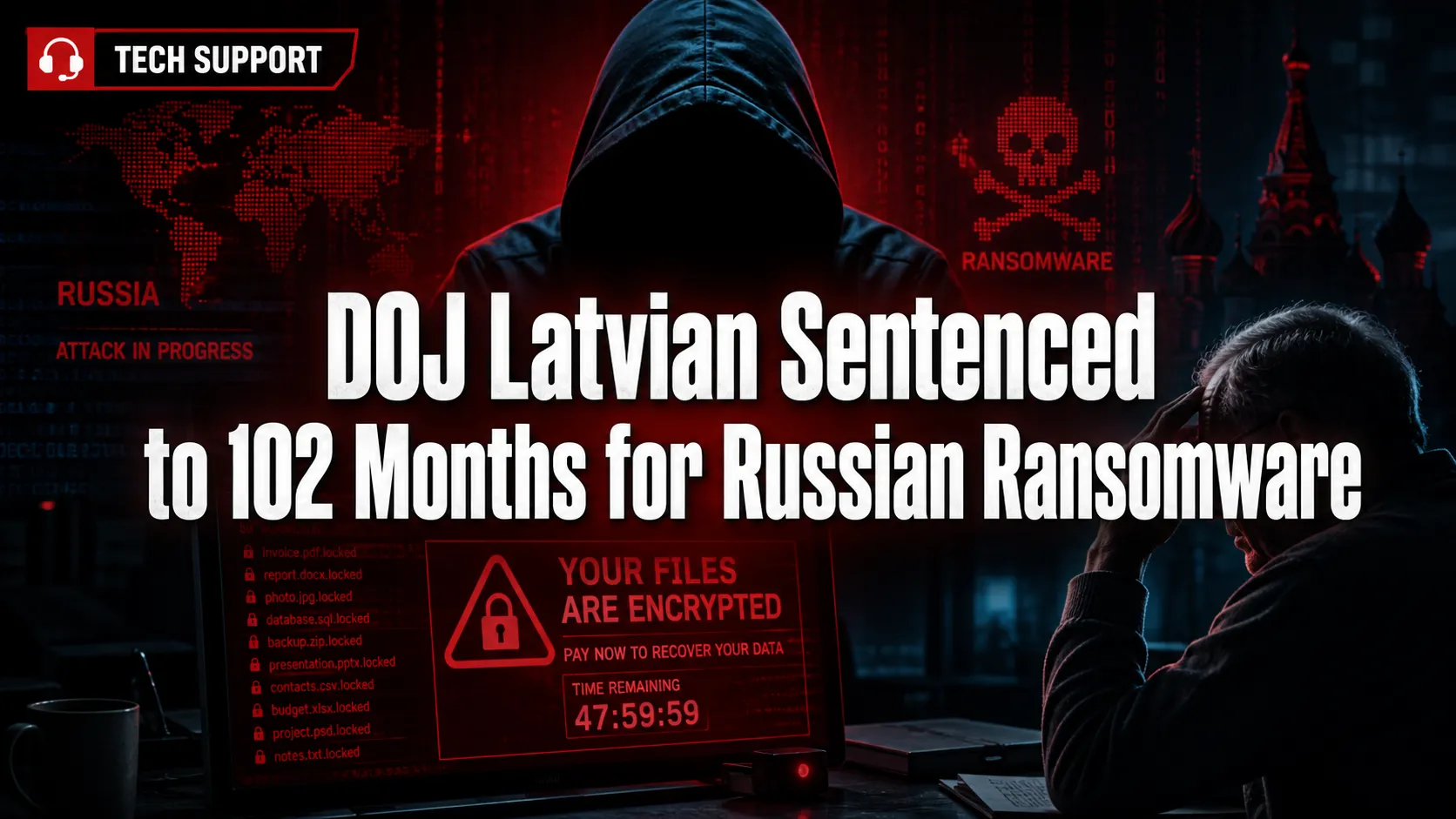
A Latvian national was sentenced to 102 months for his role in a Russian ransomware organization. DOJ said the group stole from and extorted more than 54 companies, using stolen data to force ransom payments.
The DOJ reported the sentencing of a Latvian national to 102 months in connection with participation in a Russian ransomware organization. Prosecutors alleged the group hacked and extracted data from dozens of targets—DOJ stated it extorted over 54 companies—then leveraged the stolen information to pressure victims into paying. The case highlights a ransomware business model that treats data theft and extortion as a primary tactic, not merely an endpoint. DOJ’s account also included examples of disruptive impacts from the hacks, including a government entity’s 911 system being forced offline, illustrating how ransomware campaigns can escalate into critical-service outages. Prosecutors further described how stolen sensitive data was used as leverage, increasing the likelihood that victims would comply with extortion demands. The sentencing reflects continued U.S. enforcement against cybercrime actors tied to major ransomware operations, including those operating internationally. For organizations, the story underscores the risk of both operational disruption and data-driven coercion. For consumers, the broader takeaway is that ransomware campaigns frequently rely on stolen personal information and coercive pressure methods, making victim preparedness and incident response essential.
What this article means for a user right now
A Latvian national was sentenced to 102 months for his role in a Russian ransomware organization. DOJ said the group stole from and extorted more than 54 companies, using stolen data to force ransom payments.
- Scam Detector: For mixed scam inputs such as messages, files, screenshots, links, and fake shops.
- How StopScam Works: For the product path from first web check to ongoing mobile protection.
Related Scam Types
Best next step
Official resources
Related Articles
Tren de Aragua Links Cited in DOJ ATM Malware Case: Ploutus Used to Force U.S. ATMs to Dispense Cash
Tonawanda NY man charged after fake Microsoft “security” alert led to $22,000 fraud attempt