Dutch police arrest eight in €1.7M bank help-desk phishing fraud with remote access
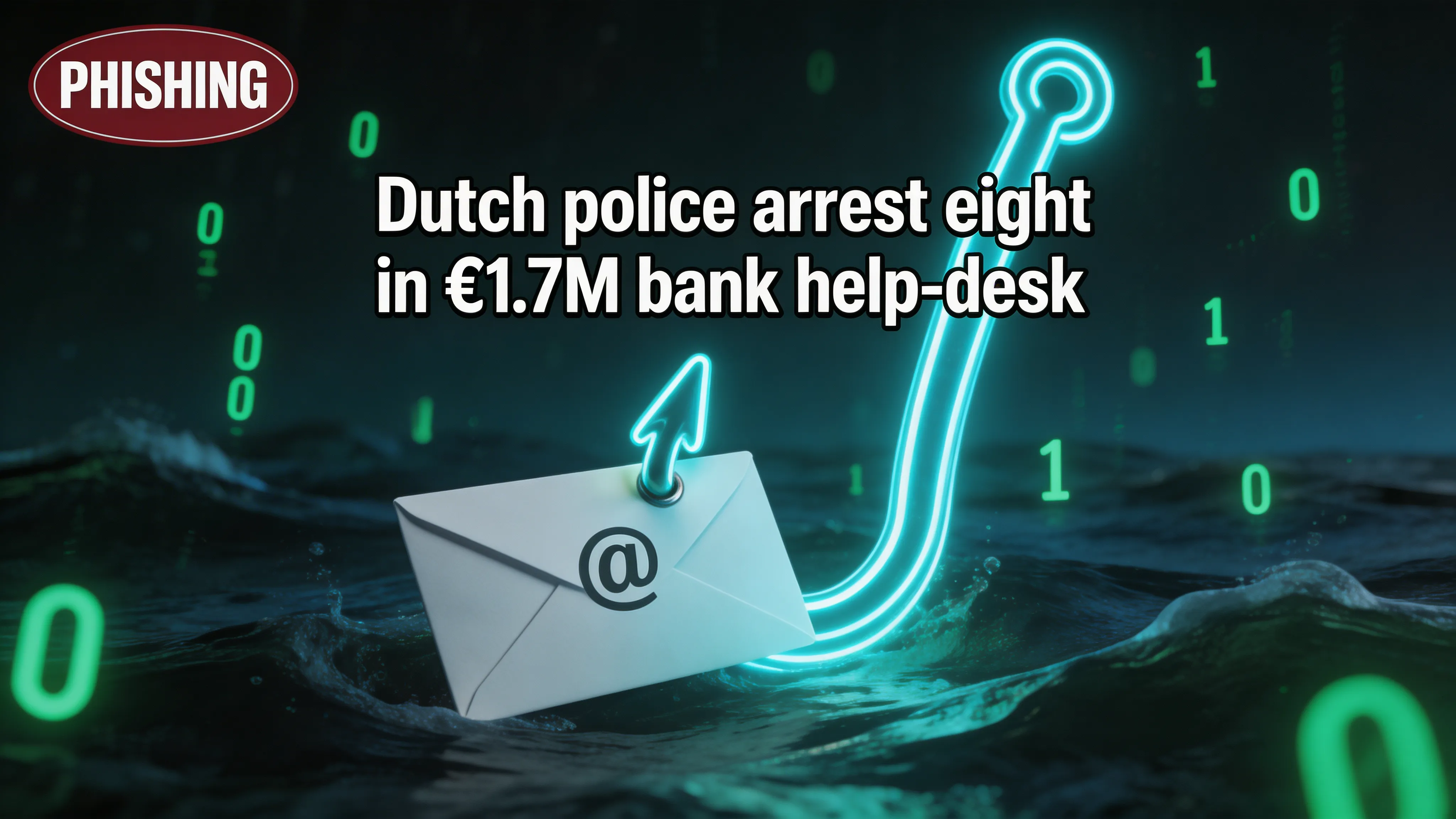
Dutch authorities arrested eight people in connection with a €1.7 million crypto and “bank help-desk” fraud operation. Investigators say victims were tricked via phishing texts and impersonation to install remote access software.
Dutch authorities arrested eight people as part of an investigation into a €1.7 million fraud scheme combining cryptocurrency theft with a “bank help-desk” impersonation tactic. The report says the operation relied on phishing messages that posed as communications from banks, designed to persuade victims that they needed urgent assistance. Victims were allegedly targeted through texts containing deceptive prompts, with fraudsters impersonating bank employees to create credibility and urgency. Once the victims were convinced, the scheme allegedly pushed them to install remote access software, giving scammers a way to interact with devices or accounts. That access would then allow criminals to manipulate information, facilitate unauthorized actions, and move funds, including crypto holdings. By coupling social engineering with technical remote-control access, the operation aimed to bypass typical security barriers and accelerate theft. The arrests demonstrate that investigators connected multiple victims and transactions to the same coordinated process, ultimately reaching suspected participants behind the scheme. The case also reflects broader patterns in cybercrime where fraudsters adopt legitimate-sounding customer support roles, leveraging remote access tools to carry out theft quickly. Dutch law enforcement continues to pursue additional leads and connections as the investigation develops.
What this article means for a user right now
Dutch authorities arrested eight people in connection with a €1.7 million crypto and “bank help-desk” fraud operation. Investigators say victims were tricked via phishing texts and impersonation to install remote access software.
- Text Scam Checker: For suspicious SMS, fake delivery texts, smishing, and verification-code pressure.
- Phishing Link Checker: For suspicious links, login pages, fake delivery texts, and scam emails.