FBI dismantles “W3LL” phishing operation; attempted fraud exceeds $20M
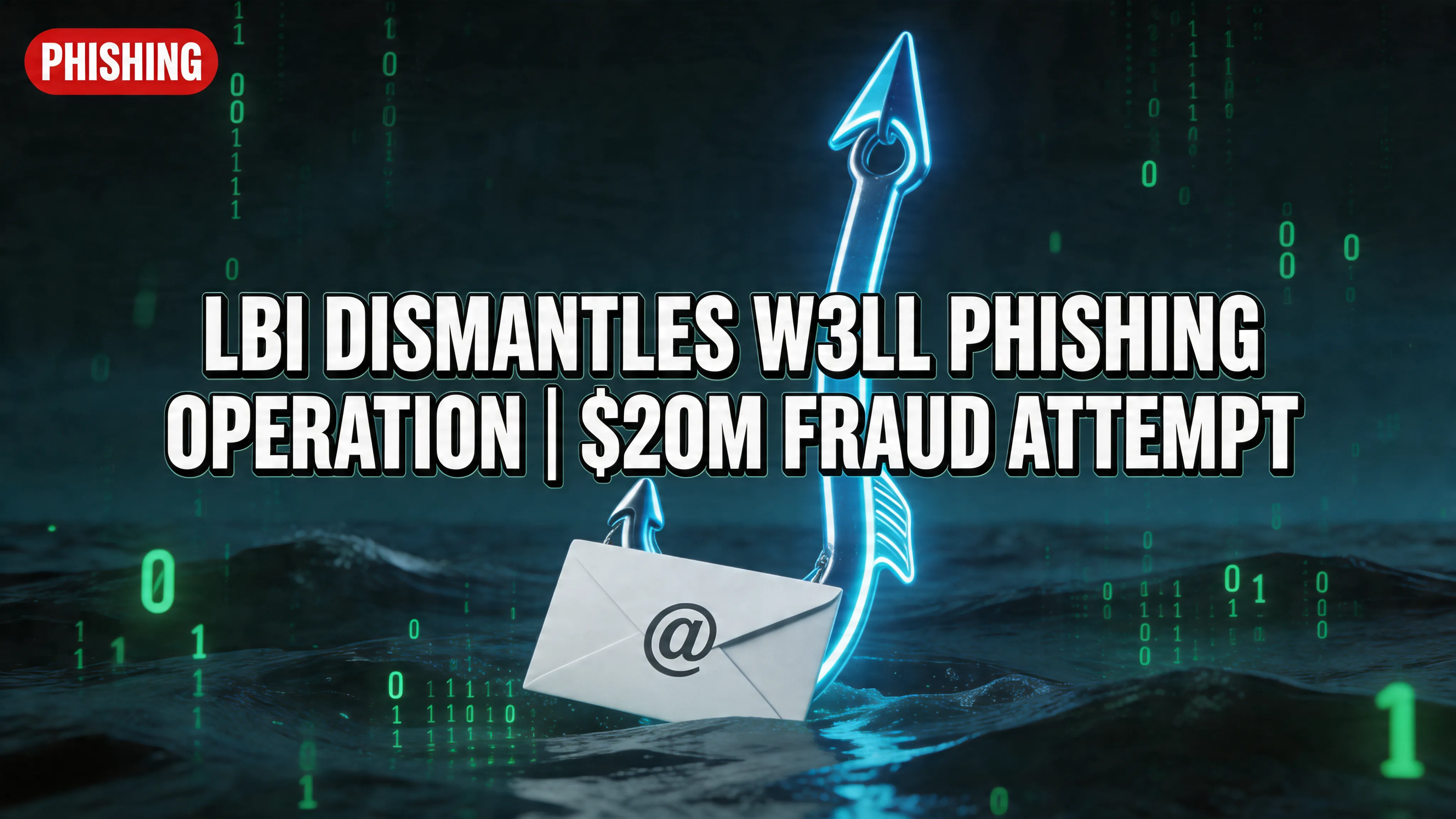
The FBI, working with Indonesian counterparts, dismantled the W3LL phishing operation and detained a suspected operator. W3LL enabled spoofed phishing sites and emails, with attempted fraud of more than $20 million and targeting thousands of victims globally.
The FBI revealed that it worked with Indonesian partners to disrupt the W3LL phishing operation, including detention of an individual believed to have operated the phishing kit. Reporting describes W3LL as more than “ordinary” phishing—its infrastructure supported a scalable, repeatable approach that criminals could deploy to obtain credentials and proceed to follow-on fraud. According to the reporting, the platform enabled spoofed websites and phishing emails used to trick victims into entering sensitive information. Once credentials were captured, attackers could attempt to use them for account access, credential-based account takeover, and payment-related fraudulent activity. The article states that attempted fraud associated with W3LL totaled over $20 million and that the campaign targeted thousands of victims worldwide. Even though the operational footprint included international coordination, the tactics are directly relevant to U.S. users: credential-harvesting lures, realistic spoofing, and rapid monetization. For prevention, users should treat unexpected login prompts as suspicious, verify message senders and URLs independently, use multi-factor authentication, and ensure security tools are up to date. If you suspect phishing, disconnect and change credentials promptly rather than reusing passwords across accounts.
What this article means for a user right now
The FBI, working with Indonesian counterparts, dismantled the W3LL phishing operation and detained a suspected operator. W3LL enabled spoofed phishing sites and emails, with attempted fraud of more than $20 million and targeting thousands of victims globally.
- Text Scam Checker: For suspicious SMS, fake delivery texts, smishing, and verification-code pressure.
- Phishing Link Checker: For suspicious links, login pages, fake delivery texts, and scam emails.
Related Scam Types
Best next step
Official resources
Industry anti-phishing organization with reporting and education resources.
FTC Consumer AdviceUS consumer guidance for scams, fraud patterns, and reporting options.
FBI Internet Crime Complaint CenterOfficial reporting channel for internet-enabled crime in the United States.