Final Defendant Sentenced for $8.5M Tax Refund Fraud Using Trusts Allegedly Controlled by Defendants
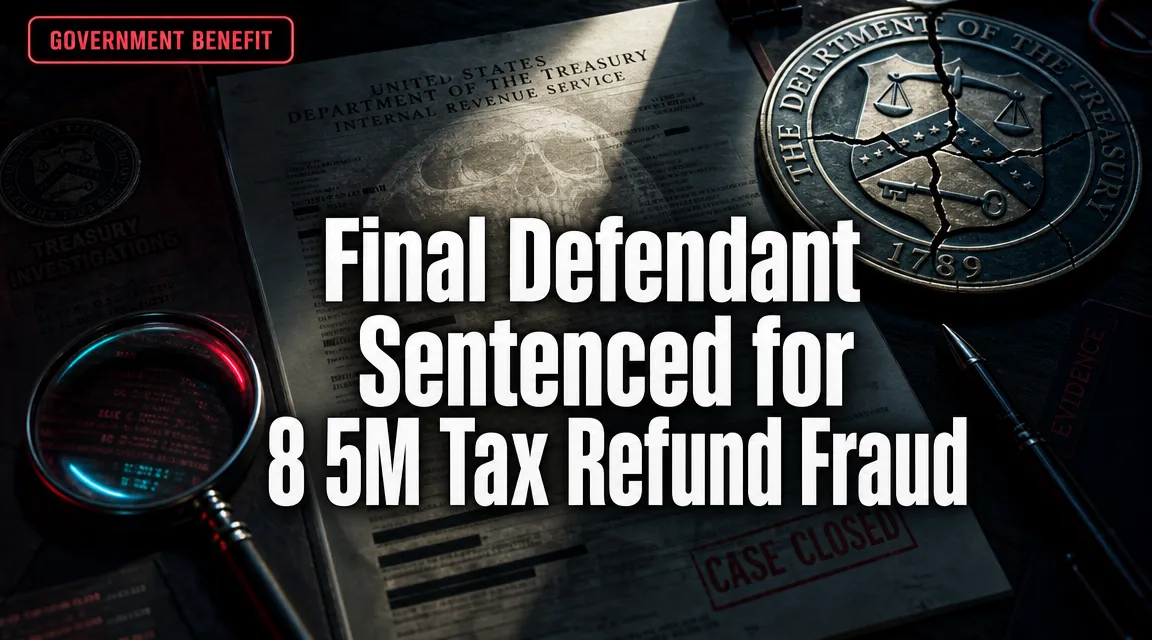
DOJ reported a final sentencing tied to a scheme to file false claims for tax refunds using trusts allegedly controlled by the defendants. Prosecutors said the broader group sought more than $8.5 million in refunds not entitled to by the trusts.
The U.S. Department of Justice announced a sentencing for a final defendant connected to a tax refund fraud scheme. DOJ said the case involved the submission of false claims for tax refunds using trusts allegedly controlled by the defendants. According to the government, the broader group sought more than $8.5 million in refunds that were not entitled to by the trusts. DOJ’s framing reflects a common pattern in tax-related fraud: misuse of complex legal or financial structures to make claims appear legitimate, while the underlying eligibility and ownership requirements are allegedly misrepresented. Tax refund fraud can be particularly damaging because it often depends on repeat filings and documentation workflows that can overwhelm screening systems. Once the claims are processed—or if they temporarily avoid detection—the fraud can generate significant financial loss and administrative burden. This prosecution also emphasizes that trusts are not a “shield” against fraud allegations if they are used to support false refund claims. For individuals and tax professionals, the takeaway is to be cautious with arrangements that promise refunds without clear, supportable eligibility, and to ensure any trust-based documentation can be independently verified.
What this article means for a user right now
DOJ reported a final sentencing tied to a scheme to file false claims for tax refunds using trusts allegedly controlled by the defendants. Prosecutors said the broader group sought more than $8.5 million in refunds not entitled to by the trusts.
- Scam Detector: For mixed scam inputs such as messages, files, screenshots, links, and fake shops.
- How StopScam Works: For the product path from first web check to ongoing mobile protection.