First “social media addiction” trial: Meta found liable for consumer-harm claims
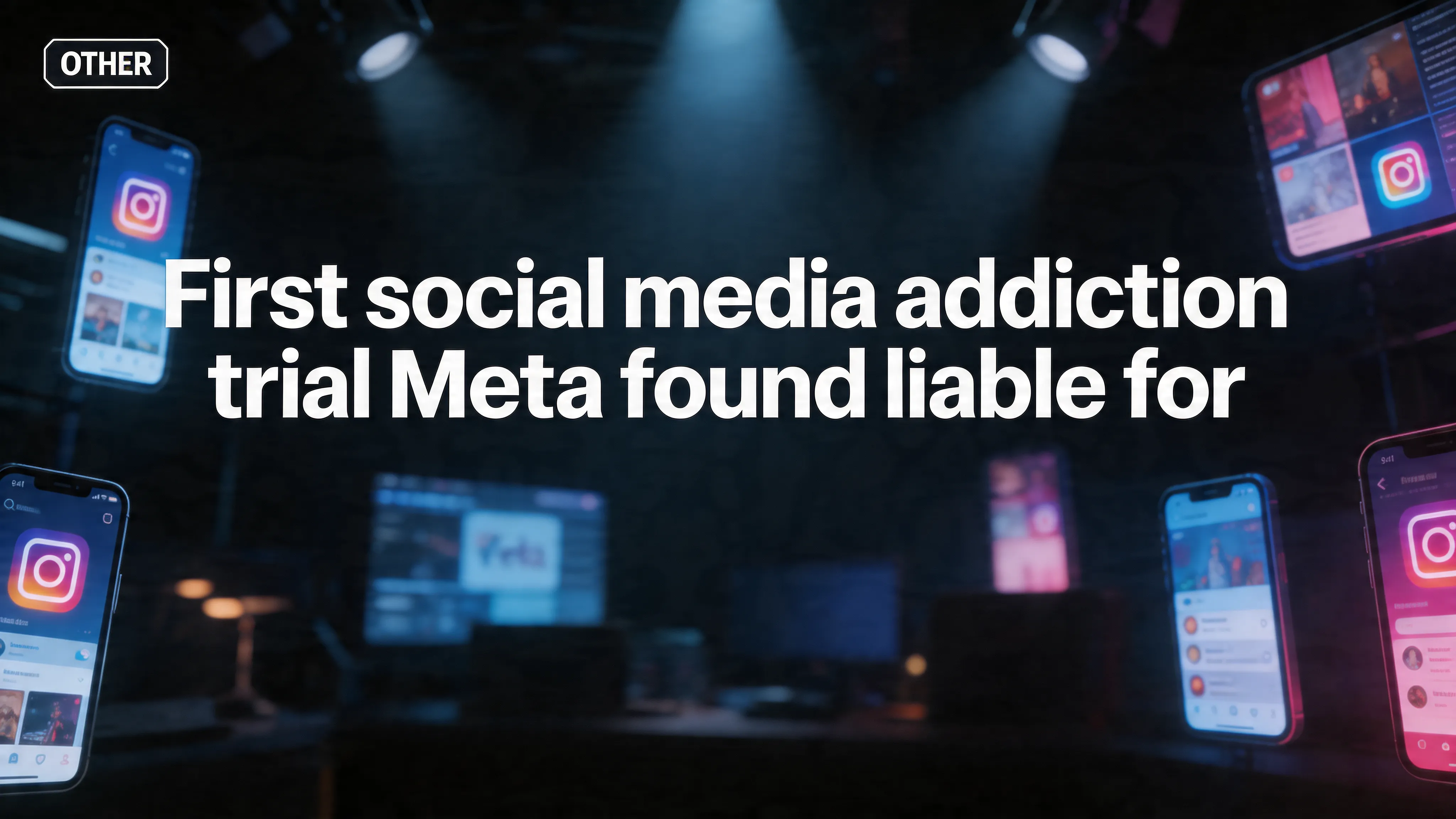
In the first “social media addiction” trial, Meta was found liable, according to Bloomberg Law. The case highlights courtroom scrutiny of engagement-driven platform behavior.
A U.S. trial described as the first “social media addiction” case has reached a headline verdict, with Bloomberg Law reporting that Meta was found liable. The ruling is notable because it moves beyond traditional privacy or advertising disputes and into allegations that certain platform mechanics and engagement patterns can contribute to harmful consumer outcomes. The case reflects how courts and regulators are increasingly interested in the design choices behind algorithmic feeds and recommendation engines—particularly whether product features optimize attention in ways that can harm users who are vulnerable to compulsive use. Even where the legal standards differ from fraud, the broader impact matters for safety: when more attention is held, users are also more likely to see promotional content, sensational claims, and scam advertisements. For everyday users, this verdict serves as a reminder to be skeptical of viral offers and “too good to be true” claims circulating through social platforms. Safety steps include verifying promotional links through official sources, turning off unnecessary notifications, and limiting time in high-risk feeds. As similar cases develop, users may see more public discussion about platform accountability and whether design incentives should be constrained to reduce behavioral harm.
What this article means for a user right now
In the first “social media addiction” trial, Meta was found liable, according to Bloomberg Law. The case highlights courtroom scrutiny of engagement-driven platform behavior.
- Text Scam Checker: For suspicious SMS, fake delivery texts, smishing, and verification-code pressure.
- Phishing Link Checker: For suspicious links, login pages, fake delivery texts, and scam emails.
Related Scam Types
Best next step
Official resources
Industry anti-phishing organization with reporting and education resources.
FTC Consumer AdviceUS consumer guidance for scams, fraud patterns, and reporting options.
FBI Internet Crime Complaint CenterOfficial reporting channel for internet-enabled crime in the United States.