FTC Highlights Hospice-Related Medicare Scams and How to Avoid Sharing Medicare Numbers
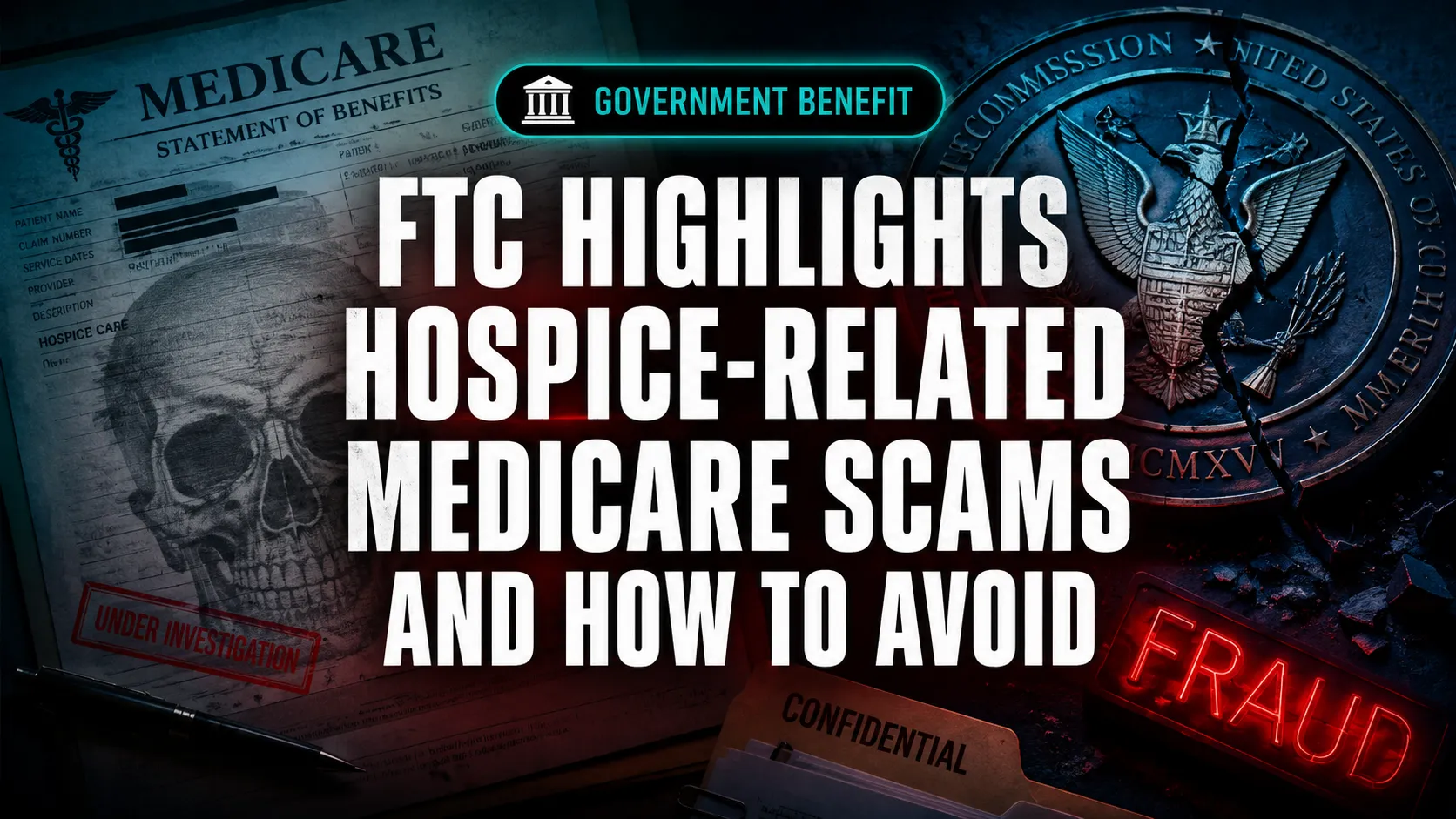
The FTC consumer alert warns that Medicare-related schemes can include hospice fraud patterns and may involve scammers seeking Medicare numbers. It recommends not sharing Medicare identifiers with unexpected contacts and using official reporting tools if targeted.
The FTC’s consumer guidance on Medicare fraud underscores how broad and varied these scams can be, including schemes connected to hospice services. The alert’s central theme is that fraudsters often rely on targeted impersonation and information capture: they contact individuals claiming a connection to Medicare or a legitimate benefit process and then steer the interaction toward obtaining Medicare identifiers or other personal details. A specific red flag described is scammers asking people to confirm Medicare numbers as part of purported eligibility, billing, or service-related procedures. The FTC cautions that these requests can be used to facilitate fraudulent billing and related benefit abuse. In hospice-focused scenarios, criminals may attempt to exploit confusion about documentation requirements or urgency around care-related administrative steps. The FTC advises consumers to be skeptical of unsolicited outreach that asks for Medicare numbers. Even when scammers present themselves as knowledgeable, the safest course is to avoid providing identifying information to unexpected contacts. Consumers should verify any Medicare-related issues through official channels rather than through phone calls or messages initiated by unknown parties. The alert also links Medicare fraud risks to medical identity theft, noting that victims may need to document and report suspected fraud. It directs people to report suspected fraud and identity theft using federal pathways such as IdentityTheft.gov, and to take steps consistent with protecting personal information. The takeaway: treat Medicare number “confirmation” requests from unknown contacts as a potential scam, especially when tied to hospice or other care-service claims.
What this article means for a user right now
The FTC consumer alert warns that Medicare-related schemes can include hospice fraud patterns and may involve scammers seeking Medicare numbers. It recommends not sharing Medicare identifiers with unexpected contacts and using official reporting tools if targeted.
- Phone Scam Checker: For suspicious calls, voicemails, callback pressure, and unknown caller decisions.
- Scam Phone Number Lookup: For checking the context around unknown phone numbers and suspicious callbacks.
Related Scam Types
Best next step
For suspicious calls, voicemails, callback pressure, and unknown caller decisions.
Scam Phone Number LookupFor checking the context around unknown phone numbers and suspicious callbacks.
Spam Call BlockerFor suspicious callers, callback decisions, robocalls, and voice scam pressure.