FTC warns: ignore calls/texts/emails threatening arrest for missing jury duty
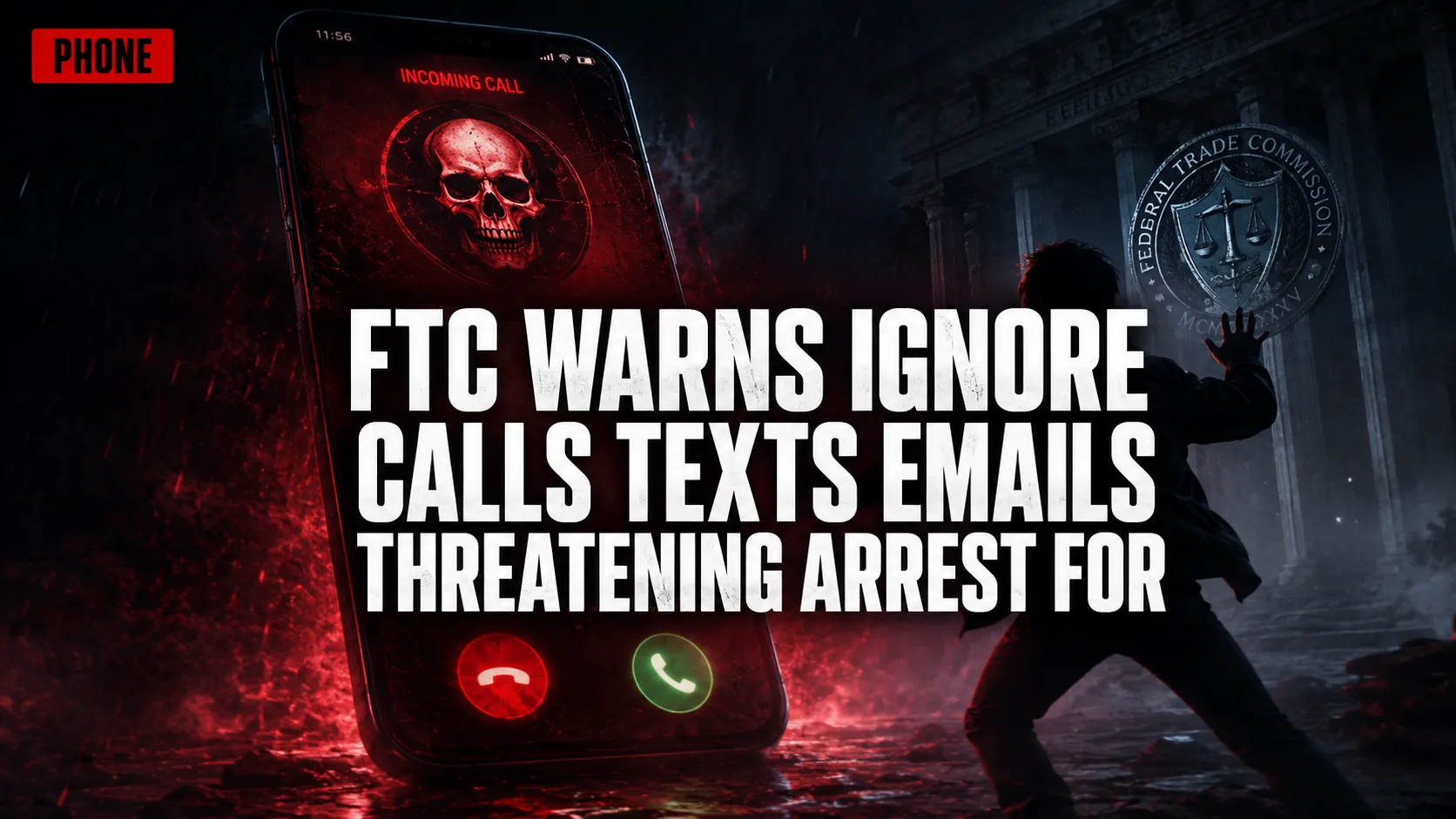
The FTC says a jury-duty scam typically begins with an urgent call claiming you missed jury service, followed by texts or emails with fake, warrant-like documents. It warns that real law enforcement won’t demand payment through those channels, and scammers often push victims to pay via apps, crypto, gift cards, or wire transfers.
The FTC Consumer Alert explains that scammers are impersonating law enforcement and the courts to pressure people into paying “fines” for allegedly missing jury duty. Victims are commonly first contacted by an urgent phone call claiming they must resolve the issue immediately. Shortly after, scammers follow up using texts and emails that include seemingly official materials—often warrant-like documents or instructions intended to look legitimate and create fear. A key red flag is how payment is demanded. The FTC notes that genuine law enforcement and courts do not require people to pay through phone calls, texts, or emails. The alert also highlights that scammers commonly escalate urgency and provide payment instructions that can route money to channels that are hard to recover, including payment apps, cryptocurrency, gift cards, or wire transfer services. The FTC’s guidance is to ignore the messages, do not send money, and treat threatening “legal” demands received by phone/text/email as a sign of fraud. If you receive similar communications, verify through official, independent channels rather than relying on the sender’s documents.
What this article means for a user right now
The FTC says a jury-duty scam typically begins with an urgent call claiming you missed jury service, followed by texts or emails with fake, warrant-like documents. It warns that real law enforcement won’t demand payment through those channels, and scammers often push victims to pay via apps, crypto, gift cards, or wire transfers.
- Phone Scam Checker: For suspicious calls, voicemails, callback pressure, and unknown caller decisions.
- Scam Phone Number Lookup: For checking the context around unknown phone numbers and suspicious callbacks.
Related Scam Types
Best next step
For suspicious calls, voicemails, callback pressure, and unknown caller decisions.
Scam Phone Number LookupFor checking the context around unknown phone numbers and suspicious callbacks.
Spam Call BlockerFor suspicious callers, callback decisions, robocalls, and voice scam pressure.