FTC Warns Medicare Fraud Impersonation and Medicare Number Verification Scams Hit Consumers
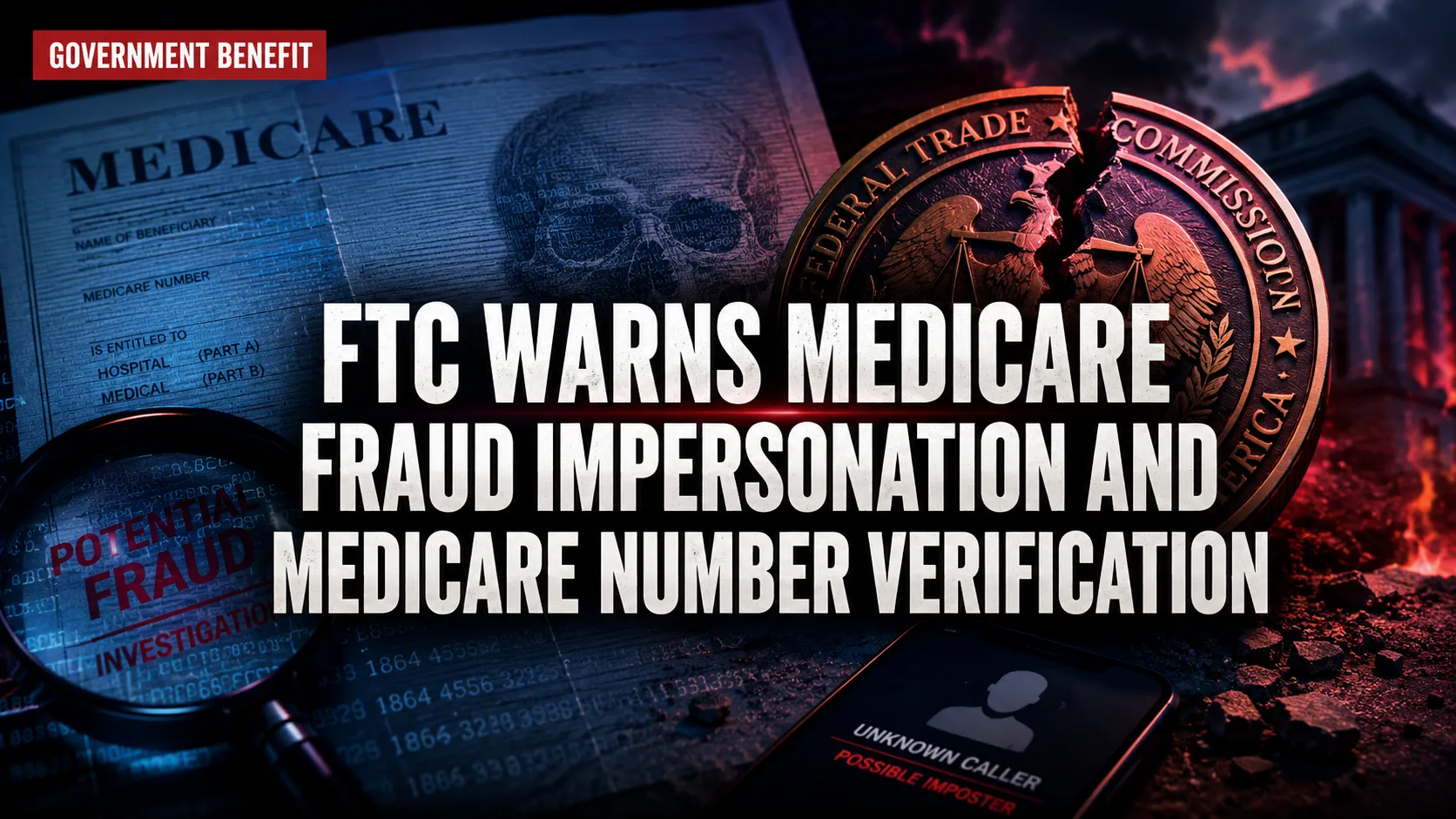
The FTC warns that Medicare fraud affects the public and may involve scammers impersonating Medicare and pushing people to share Medicare-related information. The alert advises people not to share Medicare numbers with unexpected contacts and to report suspected fraud and identity theft.
The FTC’s consumer alert explains that Medicare fraud, errors, and abuse cost taxpayers tens of billions of dollars each year—and it can also harm individuals through financial losses and identity-based harm. A key tactic highlighted is impersonation: scammers may contact people claiming to be affiliated with Medicare or related services. In many cases, the goal is to obtain sensitive Medicare identifiers or to pressure victims into taking actions that enable fraud. The alert also notes that criminals may ask people to “confirm” Medicare numbers, sometimes framing the request as necessary for eligibility, benefits updates, or routine processing. The FTC warns that unexpected contacts should not be trusted, and people should avoid sharing Medicare information when the source is not verified through official channels. Another emphasized risk area is medical identity theft and benefit abuse. If scammers gain identifiers used in fraudulent billing, victims can face difficulties correcting records and may become entangled in follow-on collection, denials, or other complications. The FTC directs consumers to report suspected fraud and identity theft using federal reporting pathways, including IdentityTheft.gov, and to act promptly if personal or benefit information may have been compromised. Overall, the alert functions as a public safety guide: be cautious with unsolicited communications claiming Medicare involvement, never provide Medicare numbers to callers or messages you cannot verify, and report promptly when targeted.
What this article means for a user right now
The FTC warns that Medicare fraud affects the public and may involve scammers impersonating Medicare and pushing people to share Medicare-related information. The alert advises people not to share Medicare numbers with unexpected contacts and to report suspected fraud and identity theft.
- Phone Scam Checker: For suspicious calls, voicemails, callback pressure, and unknown caller decisions.
- Scam Phone Number Lookup: For checking the context around unknown phone numbers and suspicious callbacks.
Related Scam Types
Best next step
For suspicious calls, voicemails, callback pressure, and unknown caller decisions.
Scam Phone Number LookupFor checking the context around unknown phone numbers and suspicious callbacks.
Spam Call BlockerFor suspicious callers, callback decisions, robocalls, and voice scam pressure.