FTC Warns Medicare Fraud Schemes Seek Medicare Number Confirmation From Victims
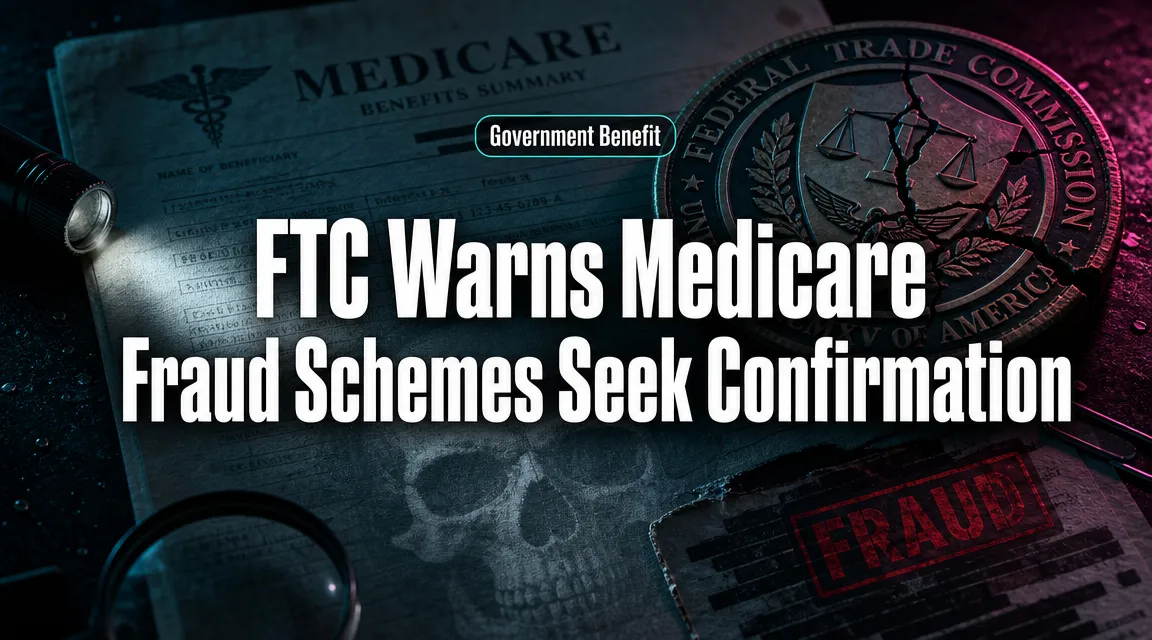
The FTC warned consumers about Medicare fraud patterns, including scams that seek people’s Medicare number or push victims to confirm details. It also describes common tactics such as fake billing and bogus drug plan offers.
The FTC issued consumer guidance about Medicare fraud, emphasizing that scams targeting Medicare beneficiaries are widespread and can take multiple forms. The guidance notes that fraudsters may contact people with claims that sound official—then try to get victims to confirm Medicare information, including details that can be used to impersonate the beneficiary or complicate legitimate healthcare processing. According to the FTC, common Medicare-related fraud schemes include false billing, fake drug plan offers, and messaging that encourages victims to verify or provide information tied to their Medicare coverage. Because scammers can blend urgency and credibility (for example, referencing benefits, coverage, or costs), victims may be more likely to comply—especially when contacted unexpectedly. The FTC guidance also highlights practical steps consumers can take to reduce risk and reduce harm if they suspect fraud. It includes advice on what to do if you receive suspicious calls, how to protect personal information, and how to report suspected fraud or identity theft. Reporting can help investigators track patterns and may assist in mitigating ongoing misuse. The overall message is preventive: treat unexpected Medicare-related outreach as suspicious, verify through trusted channels, and do not provide sensitive identifiers to anyone who cannot be verified. The guidance frames Medicare fraud as a consumer issue that affects everyone because medical identity theft can create long-term consequences.
What this article means for a user right now
The FTC warned consumers about Medicare fraud patterns, including scams that seek people’s Medicare number or push victims to confirm details. It also describes common tactics such as fake billing and bogus drug plan offers.
- Phone Scam Checker: For suspicious calls, voicemails, callback pressure, and unknown caller decisions.
- Scam Phone Number Lookup: For checking the context around unknown phone numbers and suspicious callbacks.
Related Scam Types
Best next step
For suspicious calls, voicemails, callback pressure, and unknown caller decisions.
Scam Phone Number LookupFor checking the context around unknown phone numbers and suspicious callbacks.
Spam Call BlockerFor suspicious callers, callback decisions, robocalls, and voice scam pressure.