South Carolina Group Indicted Over Counterfeit $50 Bills and Cash App Transfers
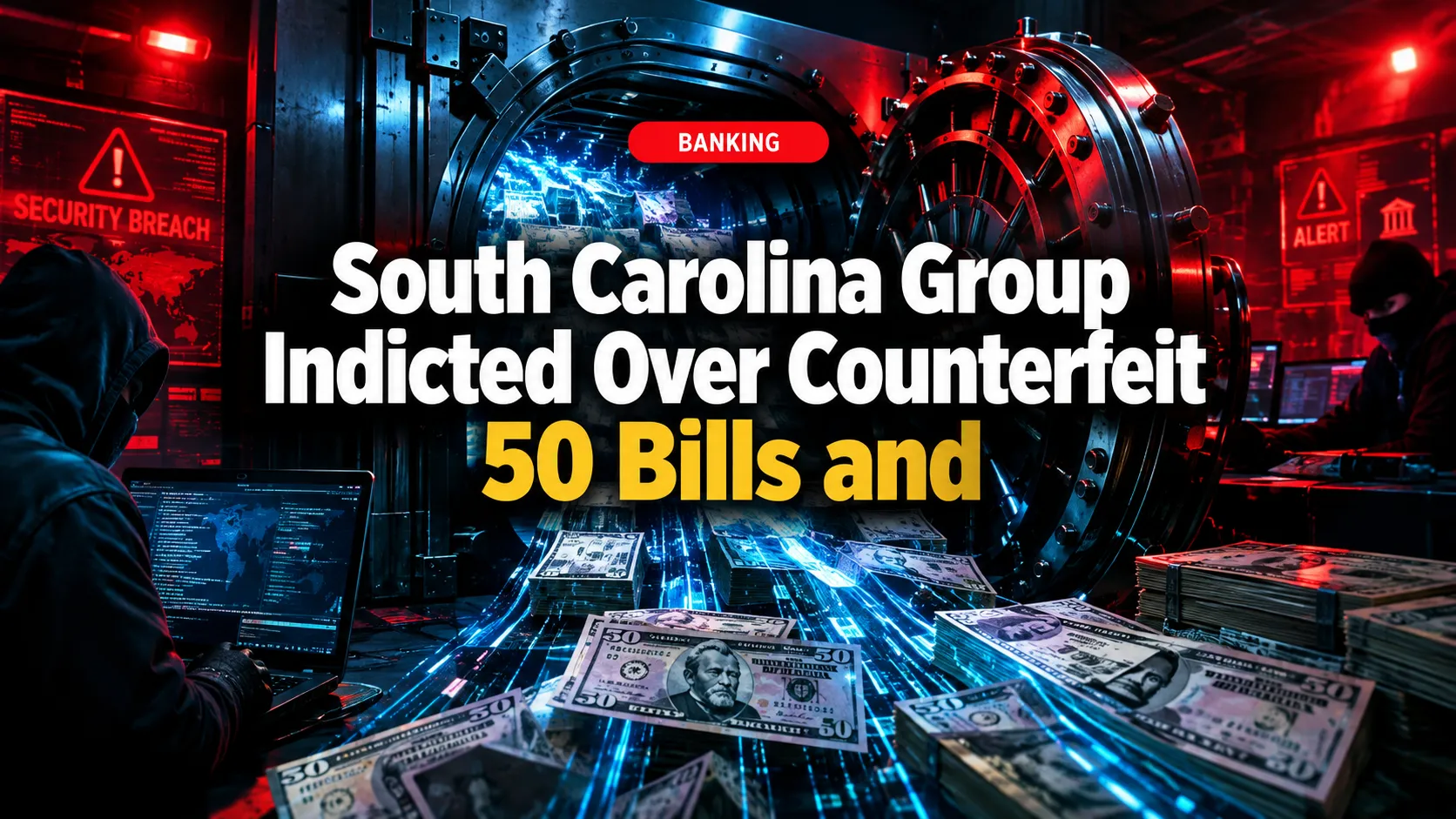
Four South Carolina residents were indicted in an alleged scheme involving counterfeit $50 bills and Cash App accounts. Prosecutors said the defendants deposited fake currency at retail locations and moved the proceeds among themselves.
Federal prosecutors charged four South Carolina residents in an alleged coordinated scheme involving counterfeit $50 bills and digital-payment accounts. The indictment claims members of the group deposited counterfeit notes at retail locations and used Cash App accounts to transfer the resulting proceeds among themselves. Counterfeit-currency schemes can harm retailers, financial institutions, and consumers because fake bills may circulate through ordinary transactions before detection. Digital wallets and peer-to-peer payment services can further complicate investigations when multiple accounts are used to layer, divide, or rapidly move proceeds. The allegations demonstrate how traditional counterfeit money crimes can be combined with modern payment platforms. Consumers and businesses should examine suspicious bills carefully, particularly when transactions involve unusual urgency, repeated cash deposits, or requests to move money between unrelated payment accounts. An indictment is an allegation, and the defendants are presumed innocent unless proven guilty in court. The case nevertheless highlights the importance of currency authentication and transaction monitoring.
What this article means for a user right now
Four South Carolina residents were indicted in an alleged scheme involving counterfeit $50 bills and Cash App accounts. Prosecutors said the defendants deposited fake currency at retail locations and moved the proceeds among themselves.
- Website Safety Checker: For fake shops, suspicious websites, risky login pages, and payment links.
- Scam Detector: For mixed scam inputs such as messages, files, screenshots, links, and fake shops.