Fake Name and Shell Entity Allegedly Used in Tracy Jones Housing and COVID Relief Fraud Case
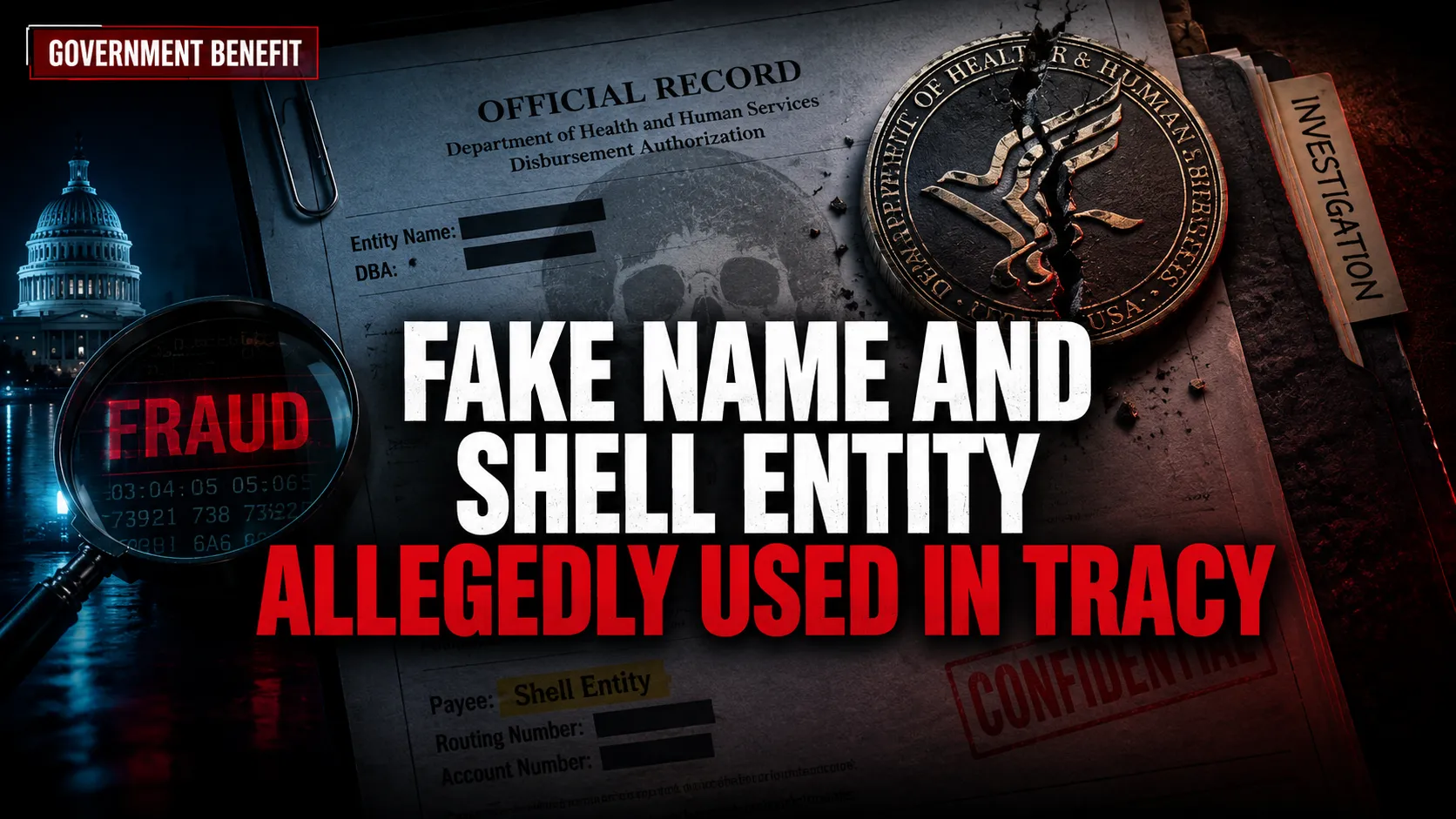
DOJ alleged that Tracy Jones used a fake name and a shell business entity as part of fraud tied to Section 8 housing assistance and COVID-19 pandemic relief applications. The scheme also included mortgage fraud connected to the property.
Prosecutors described Tracy Jones’s alleged fraud as an identity-and-property driven scheme that spanned public housing assistance, COVID-era relief funds, and mortgage-related conduct. In the government’s account, Jones allegedly diverted Section 8 housing assistance payments connected to her rental property and/or family members. DOJ further alleged that she submitted false applications to obtain COVID-19 pandemic relief funding, using inaccurate information to secure payments that prosecutors say were not properly deserved. A key detail highlighted by DOJ is how Jones allegedly attempted to conceal her involvement: the press release states she used a fake name and a shell business entity to obscure her identity. That concealment mechanism matters because it can complicate verification by housing administrators and investigators, especially when ownership, responsibility, and payment routing are harder to trace. The case was also described as involving mortgage fraud tied to the property, suggesting the alleged wrongdoing was designed to create a full “paper trail” capable of supporting the rental and benefit-related activities. The sentencing serves as a high-signal warning about how fraud in government benefit contexts often relies on layered misrepresentations—on identity, on ownership, and on eligibility. When those layers are paired with pandemic relief claims, DOJ appears to treat the overall conduct as particularly serious due to the combination of vulnerability, scale, and public harm.
What this article means for a user right now
DOJ alleged that Tracy Jones used a fake name and a shell business entity as part of fraud tied to Section 8 housing assistance and COVID-19 pandemic relief applications. The scheme also included mortgage fraud connected to the property.
- Text Scam Checker: For suspicious SMS, fake delivery texts, smishing, and verification-code pressure.
- Phishing Link Checker: For suspicious links, login pages, fake delivery texts, and scam emails.