Tracy Jones Sentenced for Atlanta Housing Authority Section 8 Diversion and Fake COVID Relief Claims
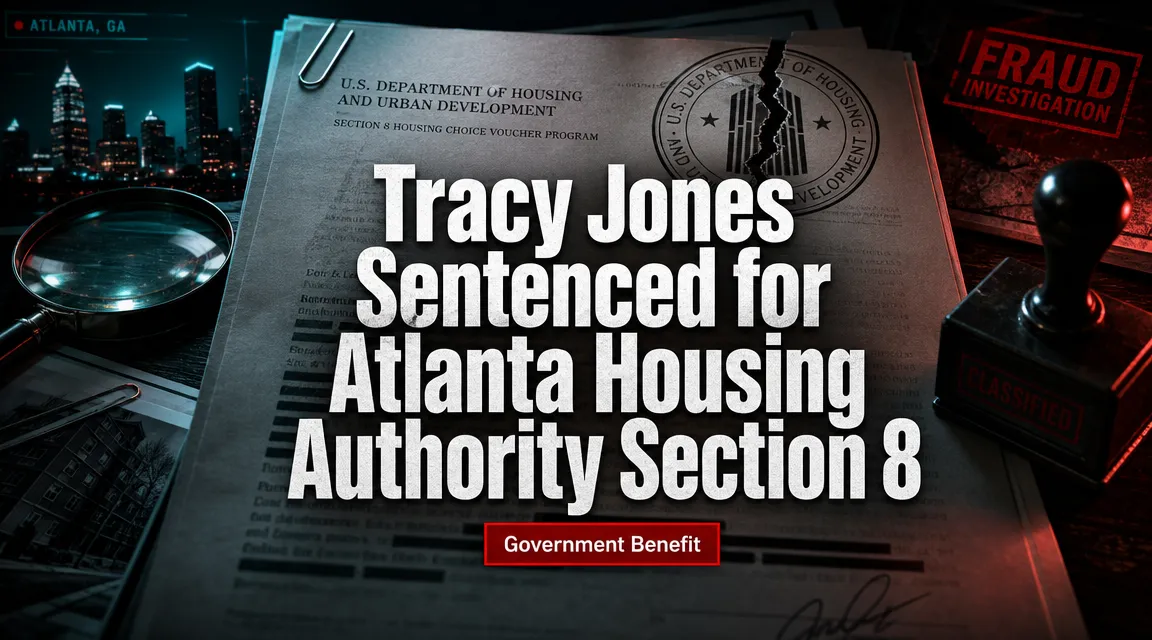
Tracy Jones was sentenced to prison for allegedly diverting Section 8 housing assistance payments for her own rental property and for submitting false applications to obtain COVID-19 pandemic relief funds. DOJ also alleged the scheme included mortgage fraud, including use of a fake name and a shell business to conceal her identity.
Tracy Jones was sentenced for alleged fraud involving both housing assistance and COVID-era relief programs, with DOJ describing a multi-part scheme that combined Section 8 diversion, false pandemic applications, and concealment tactics. Prosecutors said Jones diverted Section 8 housing assistance payments tied to a rental property connected to her and/or family members. Beyond the housing payments, DOJ alleged she submitted false applications to obtain COVID-19 pandemic relief funds, claiming the relief money based on claims prosecutors said were untrue. DOJ further alleged the conduct involved mortgage fraud related to the same property. According to the government’s allegations as summarized in the press release, Jones used a fake name and a shell business entity to help hide her identity and mask her involvement. That combination—misrepresenting eligibility while obscuring ownership and responsibility—reflects common patterns in public-benefit fraud cases, where defendants attempt to keep control of funds while reducing the chance of detection. The sentencing underscores that fraud involving government housing programs can carry serious criminal consequences, particularly when it is paired with pandemic relief claims. For readers tracking consumer-protection and fraud enforcement, the case is a reminder that housing and emergency benefit systems are heavily monitored, and prosecutors view attempts to route funds through complex property and identity structures as aggravating conduct.
What this article means for a user right now
Tracy Jones was sentenced to prison for allegedly diverting Section 8 housing assistance payments for her own rental property and for submitting false applications to obtain COVID-19 pandemic relief funds. DOJ also alleged the scheme included mortgage fraud, including use of a fake name and a shell business to conceal her identity.
- Scam Detector: For mixed scam inputs such as messages, files, screenshots, links, and fake shops.
- How StopScam Works: For the product path from first web check to ongoing mobile protection.