Feeding Our Future Funding Fraud: DOJ Details How $250M Child Nutrition Money Was Allegedly Diverted
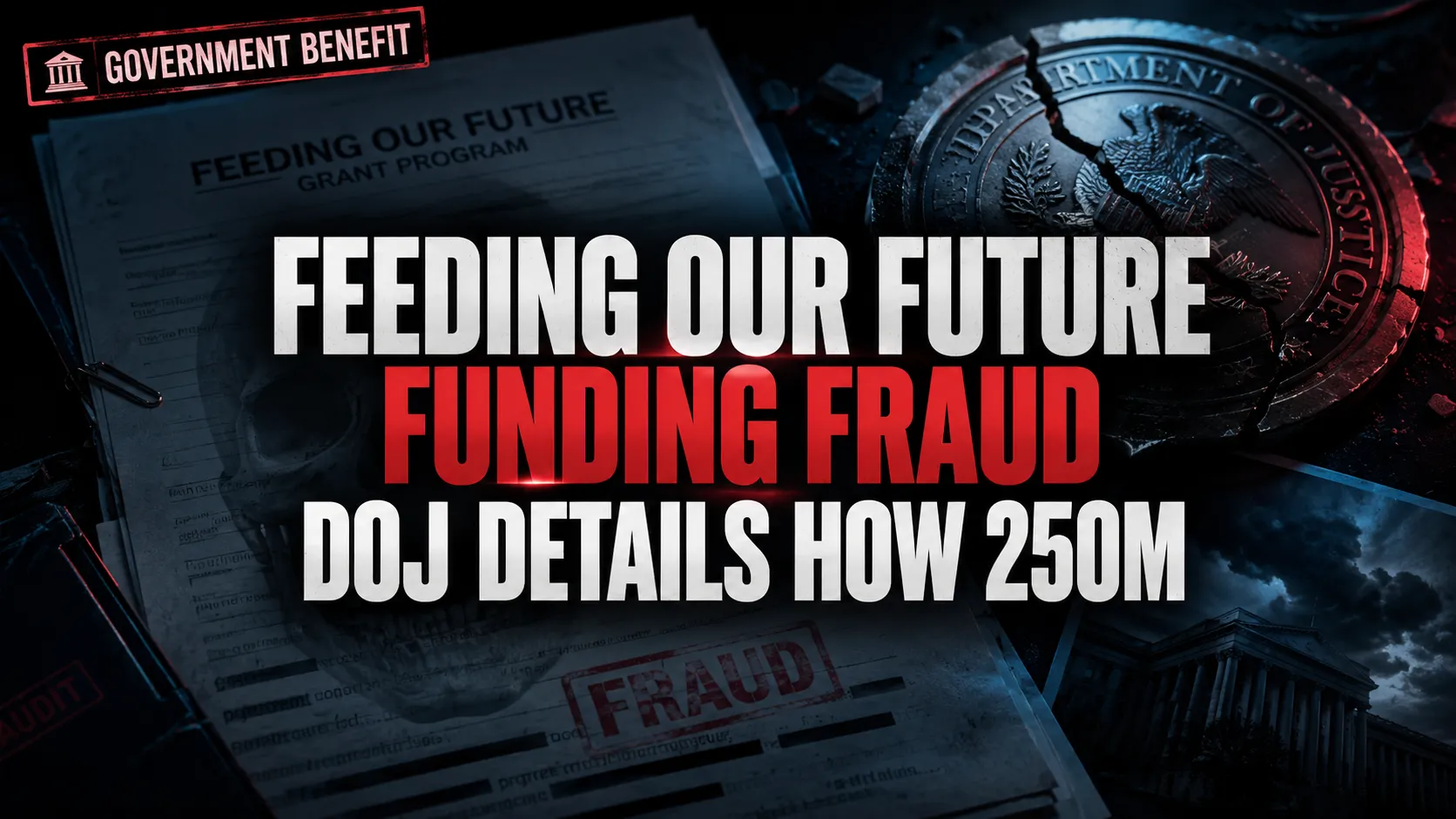
DOJ described a $250 million Feeding Our Future-related scheme that allegedly exploited federally funded child nutrition benefit sponsorship during the COVID-19 pandemic. Prosecutors said the fraud involved siphoning taxpayer funds intended for children’s meals.
Federal prosecutors allege a Feeding Our Future-linked operation used federally funded child nutrition benefits during the COVID-19 pandemic as the basis for a major fraud that totaled roughly $250 million. In announcing the resolution of the case, DOJ emphasized that the core wrongdoing involved diverting taxpayer dollars that were supposed to support children’s access to meals. The matter was prosecuted under DOJ’s public-facing press materials, which framed the conduct as an exploitation of pandemic-era benefit programs rather than a routine administrative dispute. Although the press release focuses on sentencing, the reporting provides a strong enforcement takeaway: benefit fraud can be engineered through sponsorship structures and program workflows, where misinformation or fraudulent participation can result in public funds being paid out improperly. The case illustrates how schemes tied to social-support or nutrition programs can affect more than individual claimants; they can distort funding intended for public health and child welfare. The long sentence imposed in the case signals DOJ’s view that organizers who facilitate large-scale diversion of federal benefit funds warrant severe punishment, and it reflects ongoing scrutiny of pandemic-related fraud that investigators argue continued to produce losses well beyond the initial public health emergency.
What this article means for a user right now
DOJ described a $250 million Feeding Our Future-related scheme that allegedly exploited federally funded child nutrition benefit sponsorship during the COVID-19 pandemic. Prosecutors said the fraud involved siphoning taxpayer funds intended for children’s meals.
- Text Scam Checker: For suspicious SMS, fake delivery texts, smishing, and verification-code pressure.
- Phishing Link Checker: For suspicious links, login pages, fake delivery texts, and scam emails.
Related Scam Types
Best next step
Official resources
Industry anti-phishing organization with reporting and education resources.
FTC Consumer AdviceUS consumer guidance for scams, fraud patterns, and reporting options.
FBI Internet Crime Complaint CenterOfficial reporting channel for internet-enabled crime in the United States.
Related Articles
DOJ Returns Most Wanted COVID-19 Fraud Fugitive from Jamaica in $32M Scheme
DOJ: Fugitive Arrested in Alleged $547 Million Medicare Fraud Using Medically Unnecessary Genetic Testing