Florida Seniors Targeted by Phishing and Impersonation Scams—AI Makes Urgent Bait More Convincing
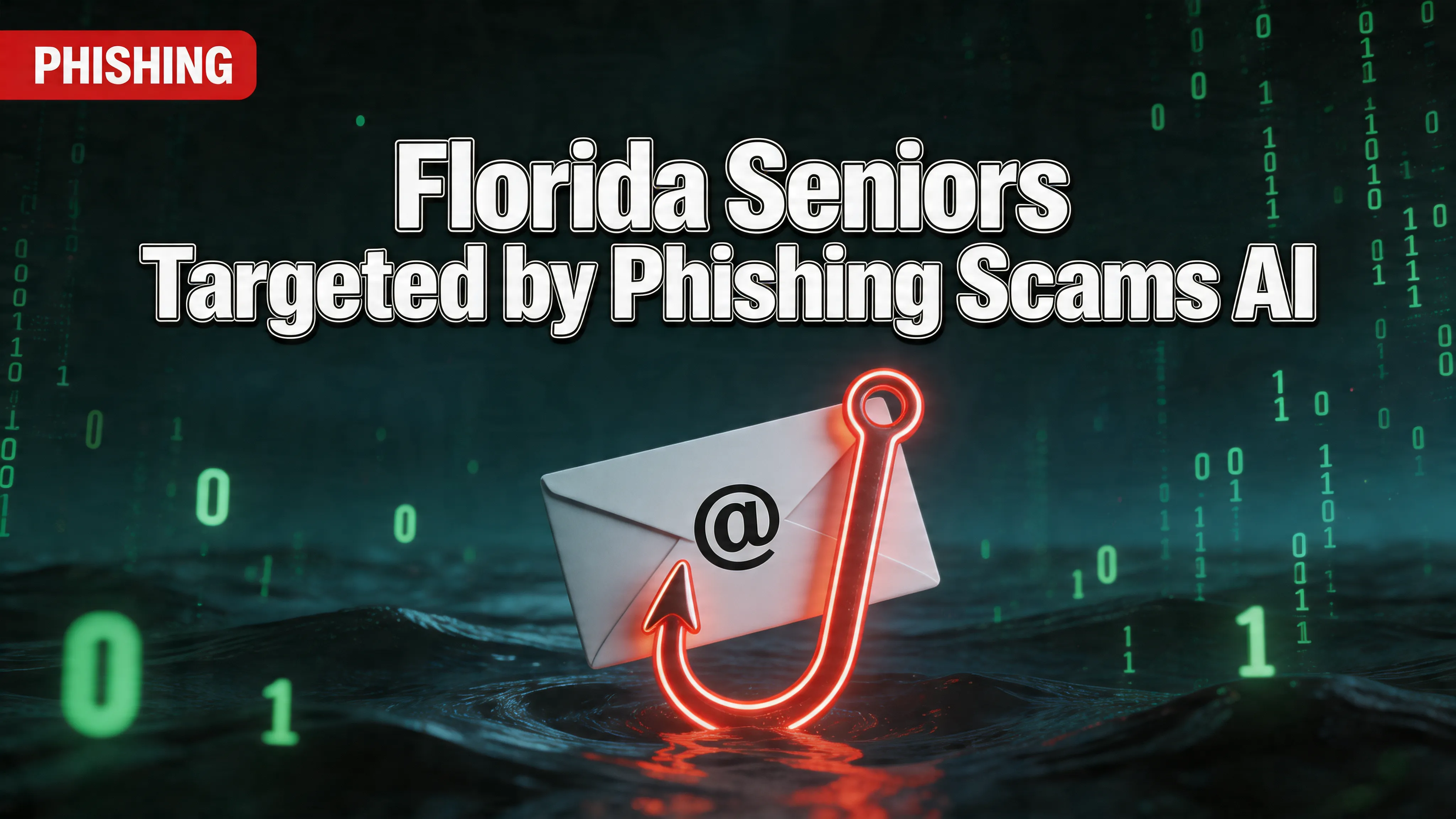
A Florida consumer-safety report warns that phishing and impersonation schemes have long targeted seniors. It describes how AI may increase scam credibility and urgency tactics, escalating risk for victims approached through impersonated banking contacts.
A new public-safety report from WUFT/WLRN highlights how phishing and impersonation scams frequently target older adults in Florida. The story emphasizes that these scams often rely on convincing, rapid-buildup messaging—first luring a victim into a phishing flow, then escalating into follow-up contact framed as urgent assistance from a major institution. The coverage describes an example involving an older victim who was pulled into a communications chain connected to a large bank. After initial outreach, the scam route reportedly shifted toward further engagement that claimed affiliation with the financial institution, pushing the victim toward actions designed to extract information or move the scam forward. The article connects this long-running tactic to modern capabilities, noting that AI can make messages appear more tailored, timely, and credible, which may improve scammers’ success rates. For safety-minded readers, the key issue is not only the phishing lure but also the subsequent impersonation pressure. The report underscores that scams may escalate quickly after first contact and can use urgency to reduce a victim’s time to verify independently through official channels.
What this article means for a user right now
A Florida consumer-safety report warns that phishing and impersonation schemes have long targeted seniors. It describes how AI may increase scam credibility and urgency tactics, escalating risk for victims approached through impersonated banking contacts.
- Text Scam Checker: For suspicious SMS, fake delivery texts, smishing, and verification-code pressure.
- Phishing Link Checker: For suspicious links, login pages, fake delivery texts, and scam emails.
Related Scam Types
Best next step
Official resources
Industry anti-phishing organization with reporting and education resources.
FTC Consumer AdviceUS consumer guidance for scams, fraud patterns, and reporting options.
FBI Internet Crime Complaint CenterOfficial reporting channel for internet-enabled crime in the United States.