
FTC Says Court Shut Down Healthcare Fraud Using Government and Insurer Impersonation
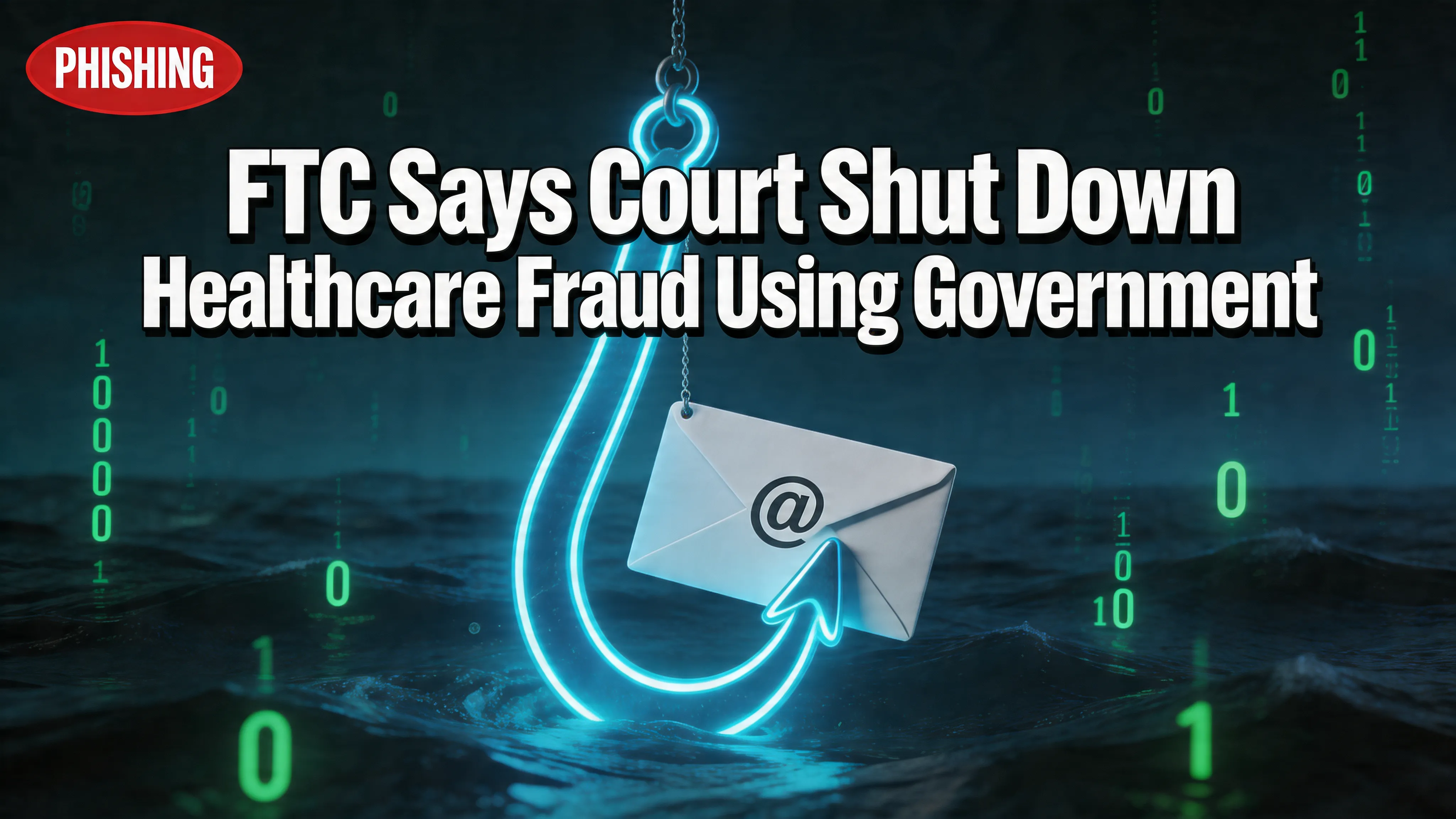
The FTC alleges a healthcare fraud scheme was halted by a federal court. The complaint describes impersonation of government and major insurance carriers to push consumers into PPO plans that allegedly failed to provide promised coverage.
According to coverage of an FTC action, a federal court halted an alleged healthcare fraud scheme built around impersonation. The scheme reportedly involved fraudsters presenting themselves as government entities and large insurance carriers in an effort to gain consumer trust. By leveraging the credibility of official-sounding organizations, the operation allegedly attempted to steer consumers toward purchasing PPO plans under misleading or unsupported claims about coverage. The complaint, as described in the report, accuses the defendants of using deceptive representations to induce consumers to buy plans that did not deliver the benefits they were promised. This type of fraud can function similarly to phishing and other trust-based scams: attackers rely on credible identities, persuasive messaging, and urgent decision framing to get individuals to part with money before they verify details. The reporting emphasizes the broader consumer risk of impersonation—especially in healthcare, where people may be searching for specific coverage and may not quickly validate plan terms. The case underscores why consumers should independently confirm whether communications are legitimate, verify plan details directly with official carriers, and be cautious when a message claims to represent a government program or major insurer without verifiable links or documentation. Overall, the shutdown reflects enforcement aimed at stopping deceptive acquisition of consumers’ payments and protections.
What this article means for a user right now
The FTC alleges a healthcare fraud scheme was halted by a federal court. The complaint describes impersonation of government and major insurance carriers to push consumers into PPO plans that allegedly failed to provide promised coverage.
- Text Scam Checker: For suspicious SMS, fake delivery texts, smishing, and verification-code pressure.
- Phishing Link Checker: For suspicious links, login pages, fake delivery texts, and scam emails.
Related Scam Types
Best next step
Official resources
Industry anti-phishing organization with reporting and education resources.
FTC Consumer AdviceUS consumer guidance for scams, fraud patterns, and reporting options.
FBI Internet Crime Complaint CenterOfficial reporting channel for internet-enabled crime in the United States.
Related Articles
FBI Warns Scammers Impersonating IC3 to Retarget Prior Victims With AI Deepfakes
DOJ: Scattered Spider member Peter Stokes arrested in Finland and extradited to the U.S. for intrusion and fraud