Fake “Microsoft security” phone transfer scheme attempted ~$22,000 against Tonawanda, NY victim
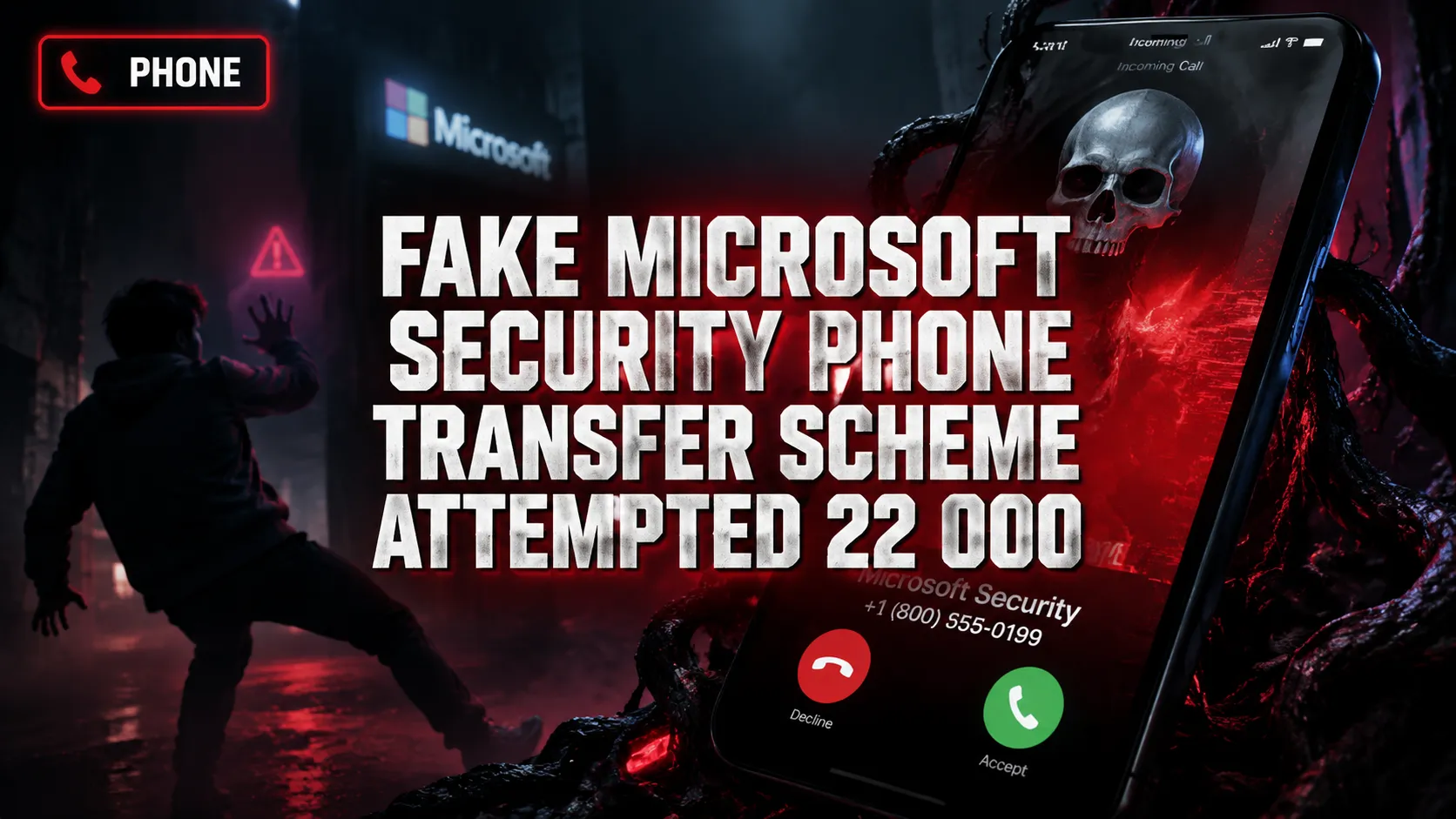
Prosecutors allege a phone-based impersonation scam began with a fake Microsoft security alert and escalated through a fraudulent bank “cyber fraud division” transfer. The attempted loss was allegedly about $22,000.
In a case described by the U.S. Department of Justice, a victim in Tonawanda, New York was allegedly pulled into a phone-centered impersonation scheme after receiving an alert that purported to be related to Microsoft. The victim was instructed to call the scammers who claimed to be “Microsoft security,” a tactic often used to make the caller appear legitimate and urgent. After the initial contact, prosecutors allege the scammers kept the victim engaged long enough to transition to a second stage: a transfer to someone described as a “cyber fraud division” contact associated with the victim’s bank. This transfer element is a common fraud pattern in which scammers use referral/hand-off scripts to increase credibility and reduce the victim’s skepticism. DOJ’s release also states that during this phone-directed process, scammers attempted an approximately $22,000 fraudulent transaction. The alleged conduct illustrates how attackers may use realistic technology-company branding to generate inbound calls, then rely on conversational manipulation and “fraud department” framing to prompt money movement or account actions. The charging outcome serves as a warning that unsolicited tech alerts followed by phone transfers to “bank fraud” contacts can be part of an organized fraud conspiracy.
What this article means for a user right now
Prosecutors allege a phone-based impersonation scam began with a fake Microsoft security alert and escalated through a fraudulent bank “cyber fraud division” transfer. The attempted loss was allegedly about $22,000.
- Phone Scam Checker: For suspicious calls, voicemails, callback pressure, and unknown caller decisions.
- Scam Phone Number Lookup: For checking the context around unknown phone numbers and suspicious callbacks.
Best next step
For suspicious calls, voicemails, callback pressure, and unknown caller decisions.
Scam Phone Number LookupFor checking the context around unknown phone numbers and suspicious callbacks.
Spam Call BlockerFor suspicious callers, callback decisions, robocalls, and voice scam pressure.